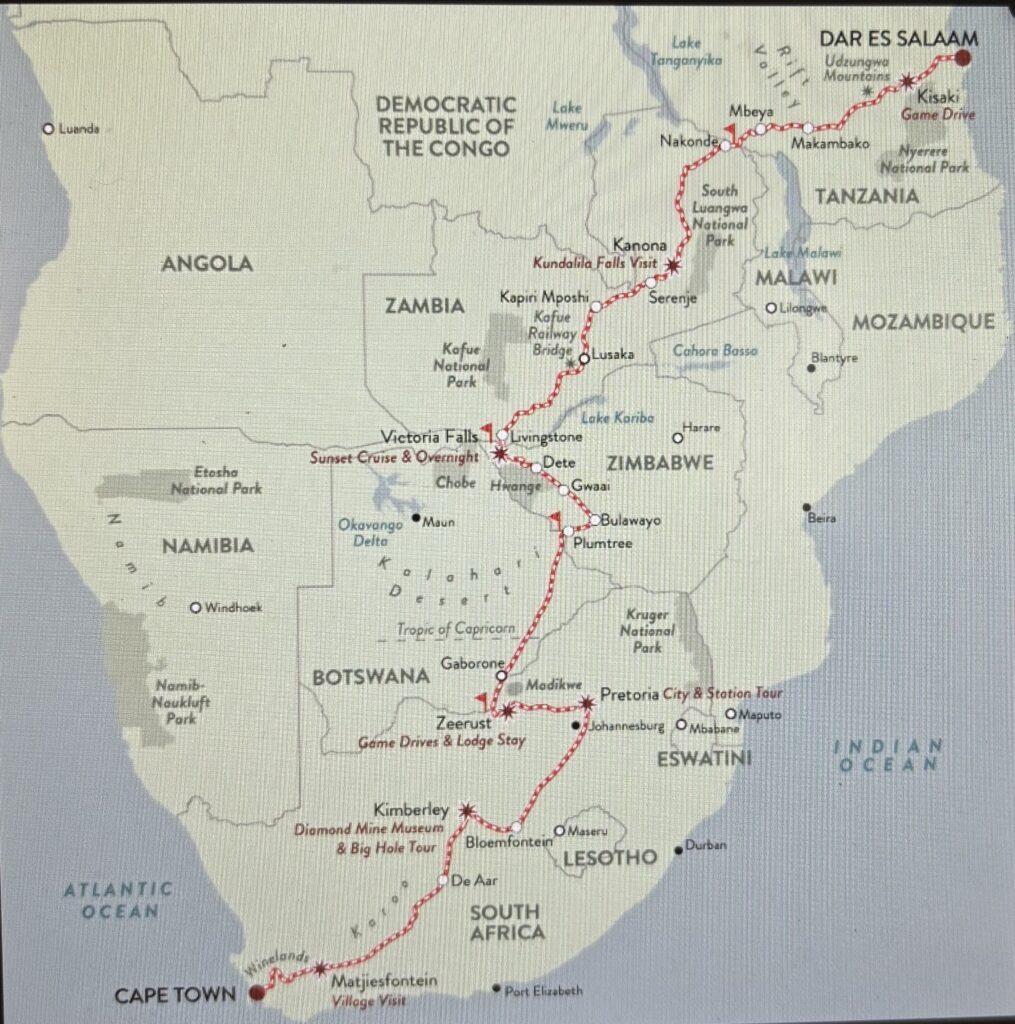
On 22nd May we, Caitriona and Elizabeth, set off very early on the 3 day journey to Nakonde. Caitriona travelled from Ireland, Elizabeth from Italy. We finally reached Nakonde on Sunday evening. We followed the same route as last time – we flew to Dar es Salaam and from there we took a domestic flight to Mbeya which is a 2 to 3 hour drive to Nakonde. This time there were no delays or flight cancellations.
Crossing the Tanzania/Zambia border went smoothly, no interrogation room like last time!
It was wonderful to see everyone again and witness in person the significant progress that has been made. This has been made possible not only thanks to financial help from our generous and faithful donors but also because of the efficient management of the 2 schools and 2 farms by Sister Florence Nawale and everyone involved.
Details are in the following report.
The reality of the Nakonde (Zambia) – Tunduma (Tanzania) border
The road that goes from the port of Dar es Salaam on the east coast of Tanzania to landlocked countries (Zambia, the Democratic Republic of Congo, Malawi and Zimbabwe) in central and southern Africa is a crucial trade route. It is teeming with huge trucks which carry, for example, copper, fuel, fertilizer and food stuffs.
Every day between 1,000 and 1,500 trucks, travelling in both directions, pass through the Tunduma (Tanzania)/Nakonde (Zambia) border.
It’s a one stop border which means customs and immigration is under one roof.
Digitized clearing systems have reduced truck processing times from 60+ hours to under 24 hours.
It’s an open border zone where Zambians and Tanzanians interact moving freely from one side to the other.
The population of Nakonde town is calculated to be about 111,000 and Tunduma town has a population of approximately 220,000.
HIV/AIDS was at its peak in the border area in the late 1990s – early 2000s. Truck drivers were often blamed for carrying the disease. They had money in their pockets and many women and young girls saw prostitution as a means to escape poverty. Now the disease is more under control but it remains the single largest contributor to the high number of orphans in Zambia. Local district health offices prioritize linking newly diagnosed individuals to Antiretroviral Therapy (ART).
Other causes of parental death are Cardiovascular diseases and Non Communicable Diseases (NCDs), Tuberculosis and Respiratory infections, maternal mortality and vehicle accidents.
There has been a surge in the use of motorbikes, “taxis on two wheels”. Many people use them to get to work or to school, also traders and couriers. It may be a faster means of transport but it’s definitely more precarious.
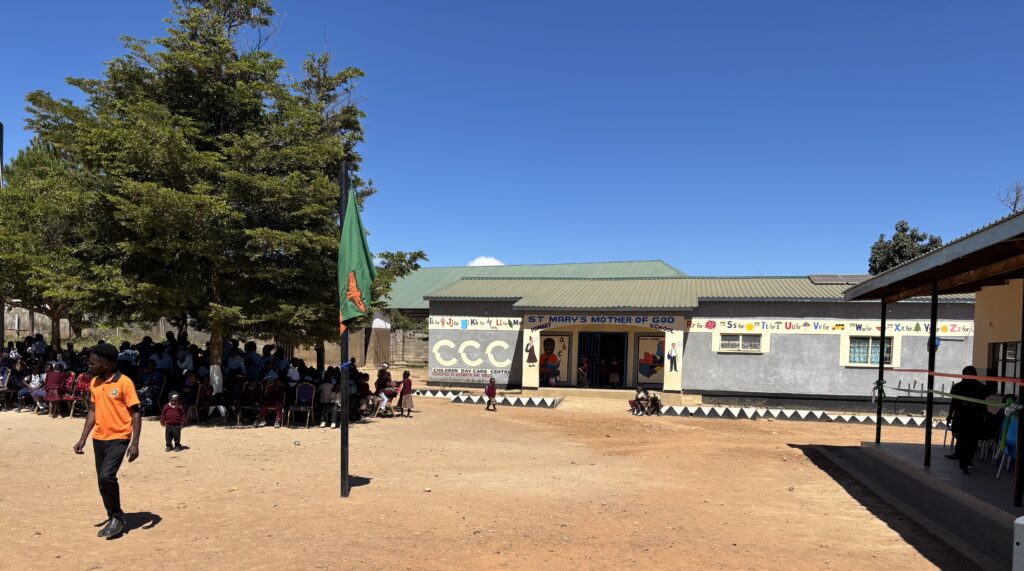
St MARY’S CHILD CARE CENTRE PRIMARY SCHOOL
The school has been registered to become a government aided school, it will take time.
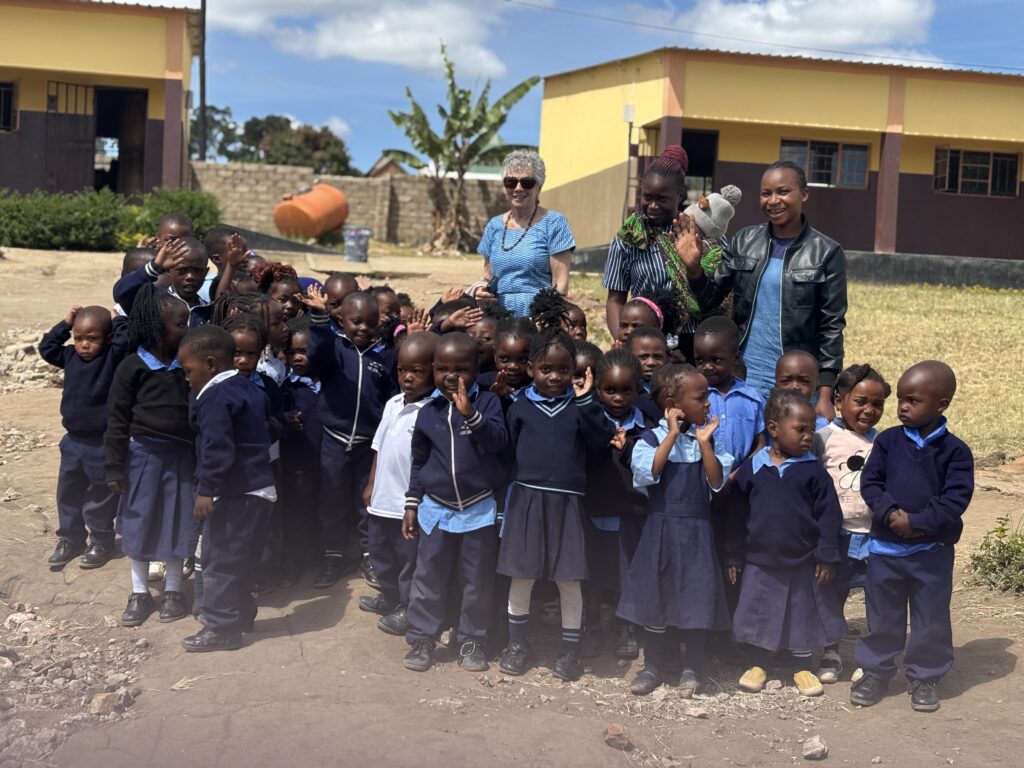
During the 2026 academic year there is one ECE (Early Child Education) class, 42 learners, with one teacher and a helper and 3 primary school classes, Grades 1 – 2 – 3. Grade 4 will be added in 2027, Grade 5 in 2028 and Grade 6 in 2029.
There are 165 learners, 145 are Orphans and Vulnerable Children (OVC) and of these 97 are double orphans meaning both parents have died. There are also 20 non vulnerable children who pay fees of Kwacha 500 (€24) for each of the three terms.
The PTA (Parent-Teacher Association) has contributed to funding the salaries of one teacher and one helper.
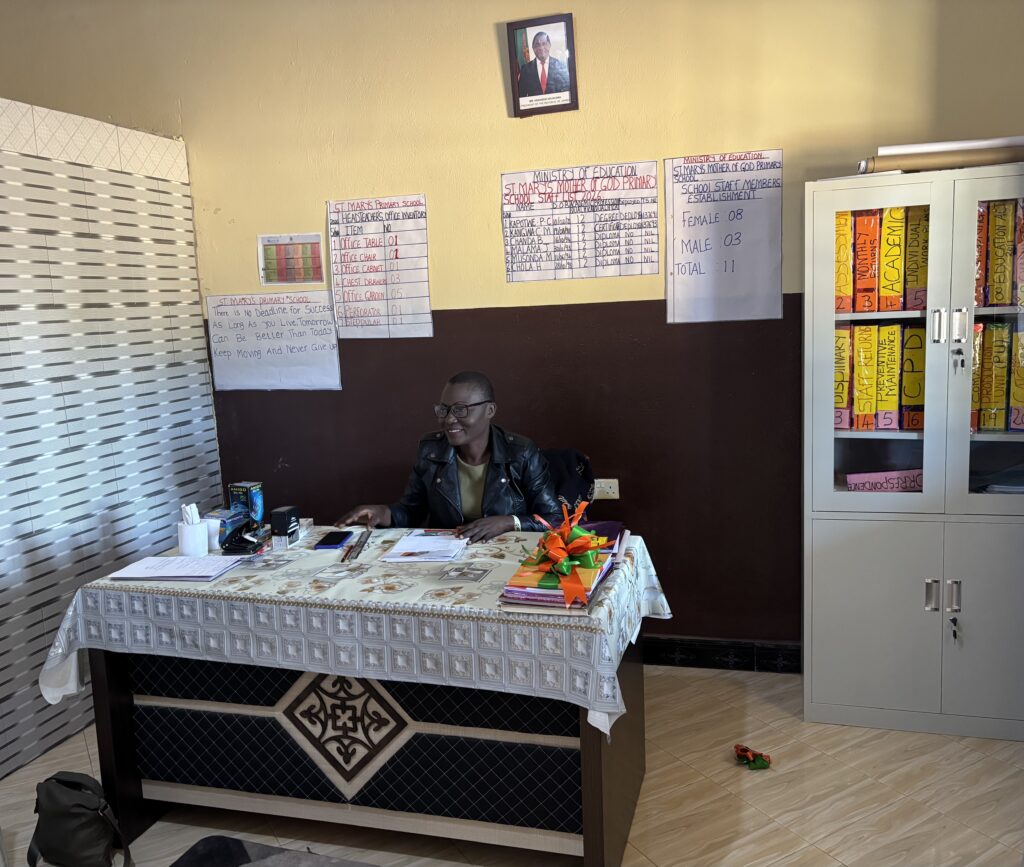
The government pays the salaries of the new head teacher – Priscilla Kapotwe and another teacher, Ms Kangwa.
At the moment we are paying for 3 teachers, the cook, 2 farmers, a general worker and a Sister who is in charge of the food store and assists Sister Florence who is the accountant and general manager of the programmes at the two schools.
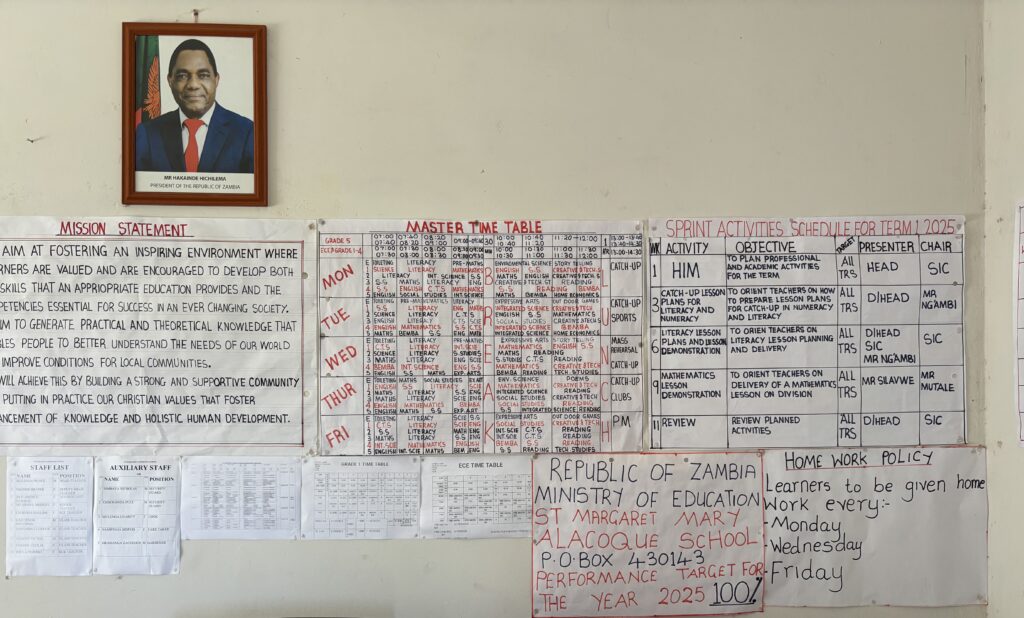
The school day starts at 8.00, there is a break at 10.00 for breakfast. Lunch is at 12.30 and school ends at 15.00.
Breakfast was moved to 10.00 because previously when the children had breakfast before lessons started they simply ate breakfast and left!
The children go to church mass on Fridays at 7.30.
There are weekly guided reading sessions – Catch Up – after lunch.
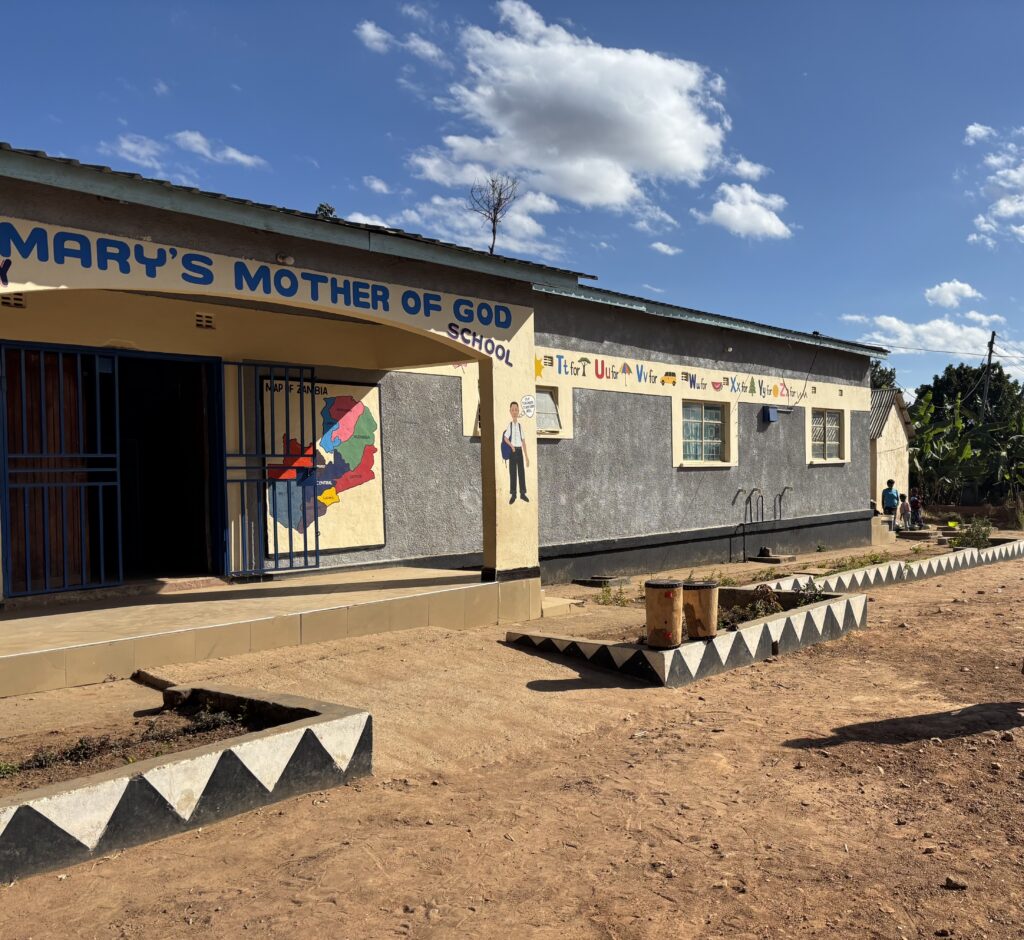
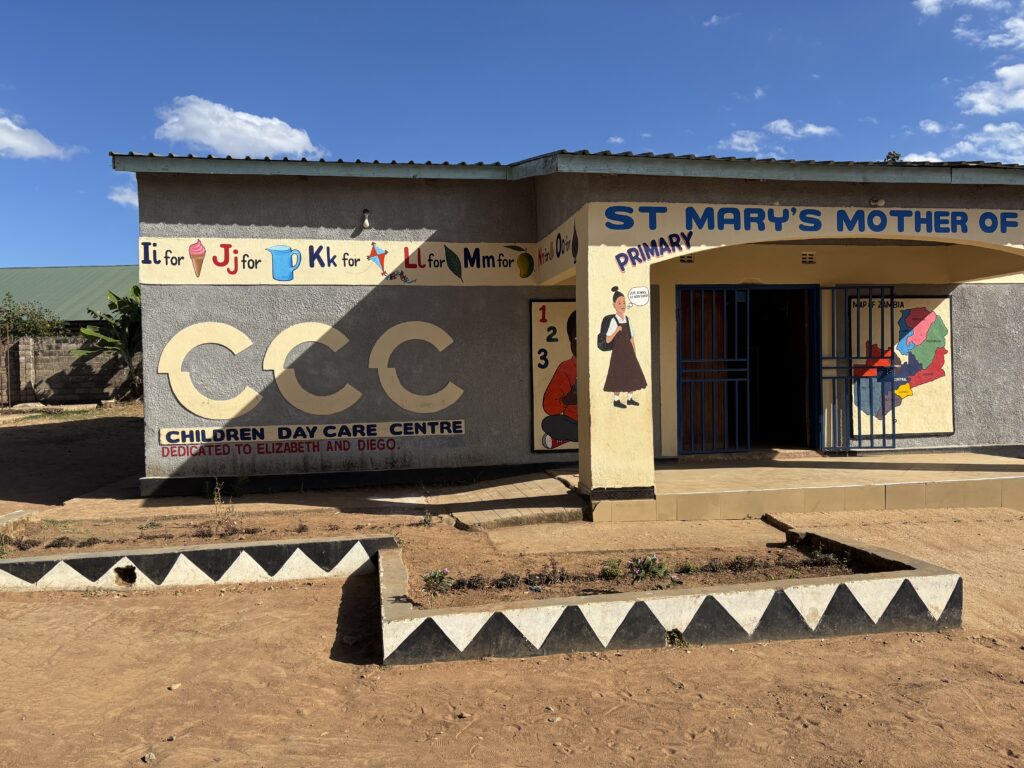
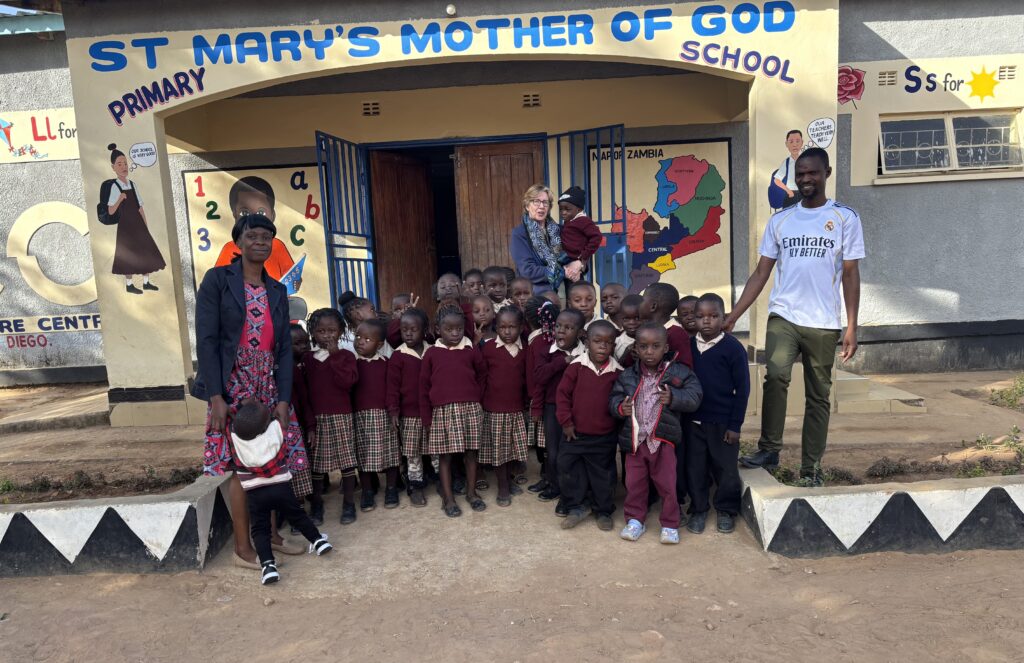
The new principal of St Mary’s Ms Priscilla Kapotwe
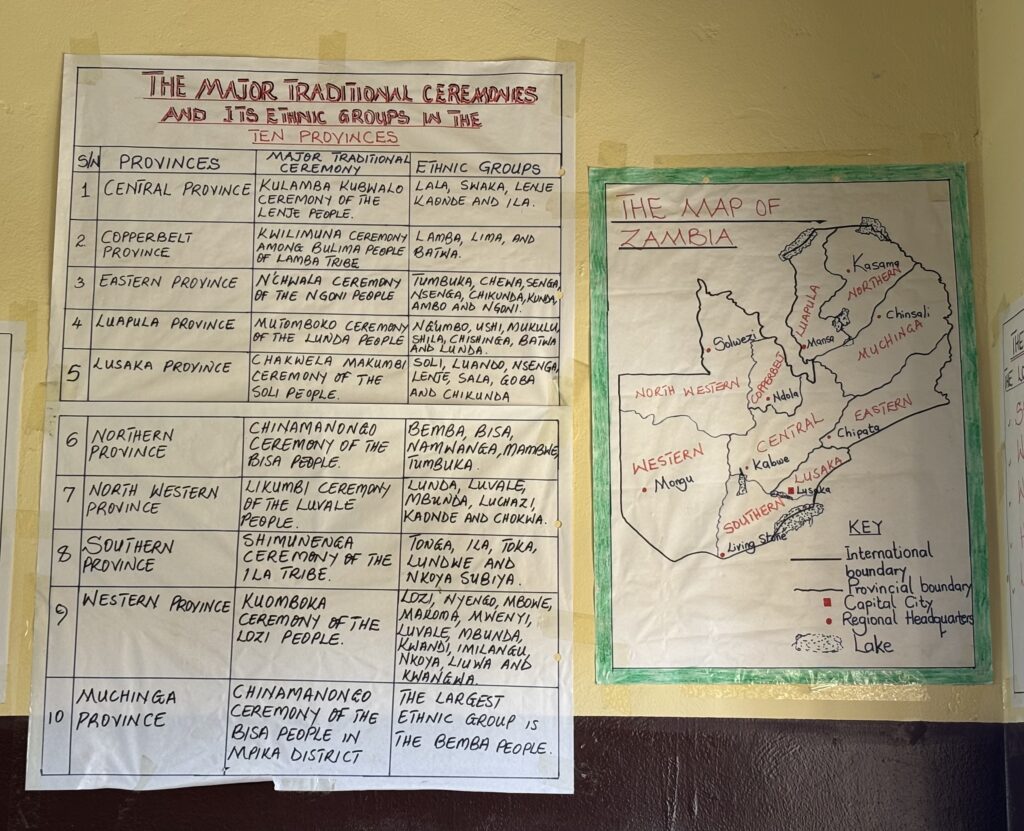
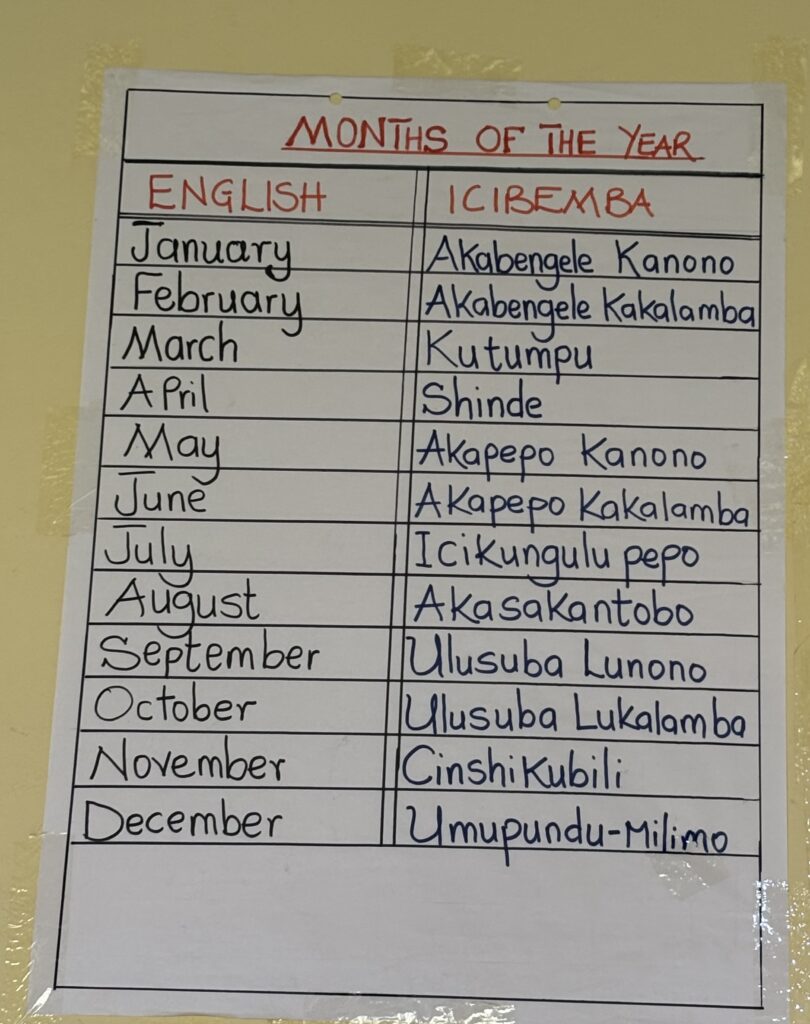
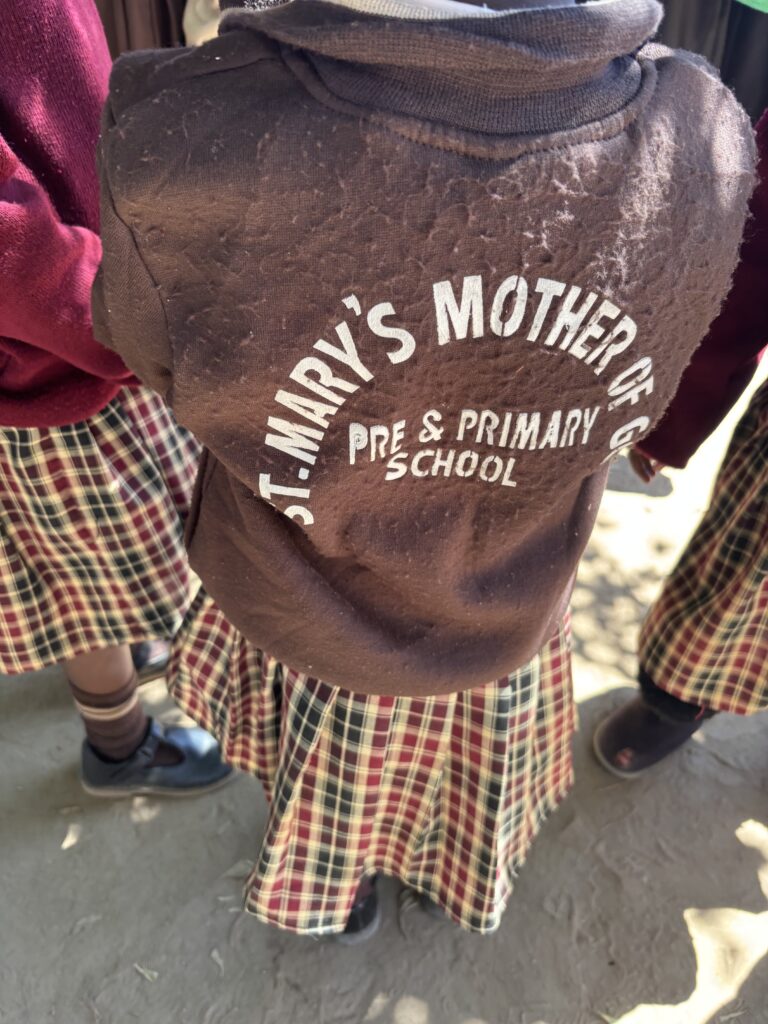
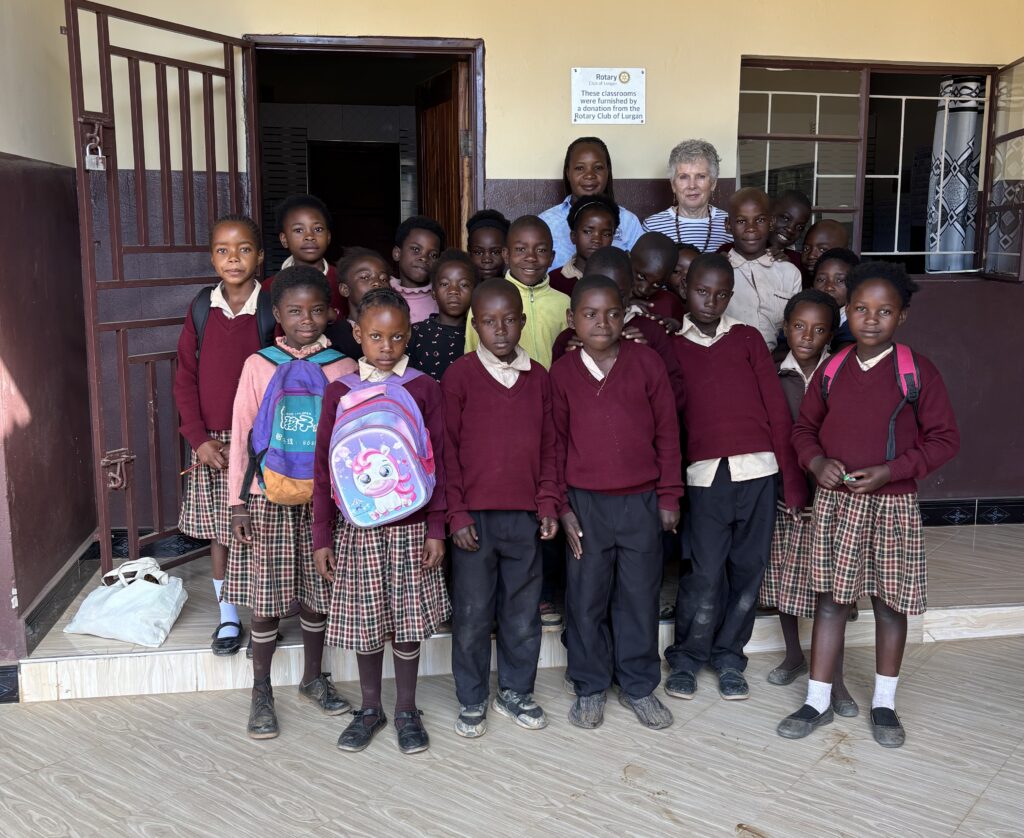
Inauguration of new classrooms
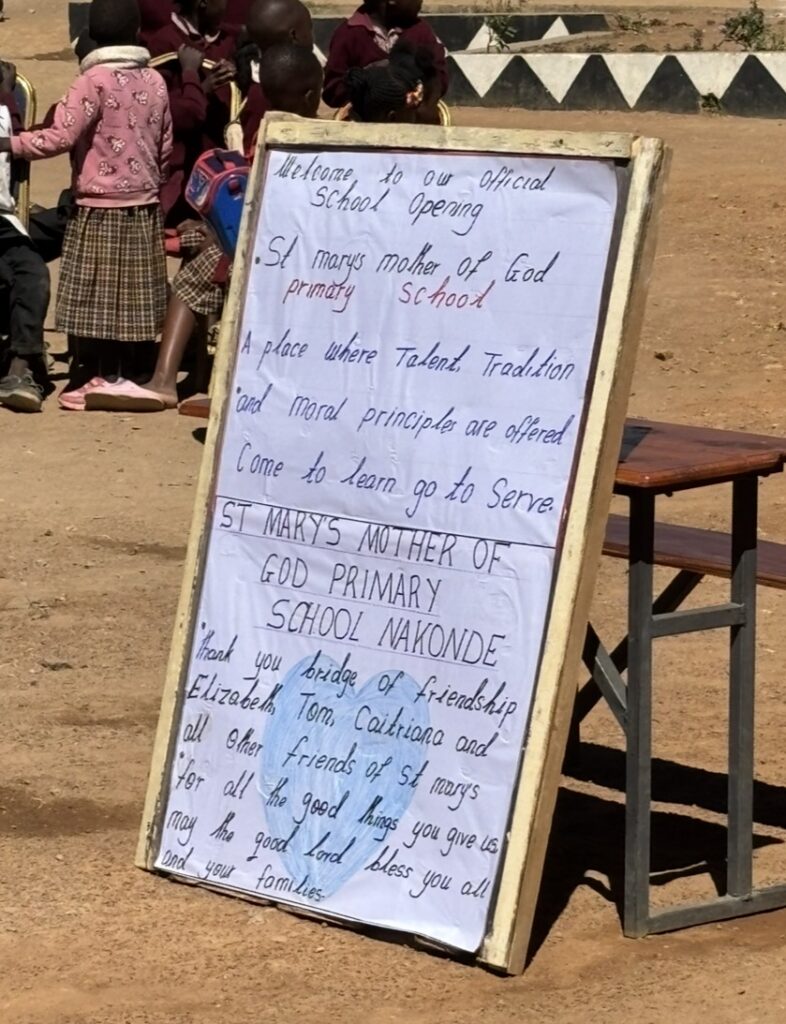
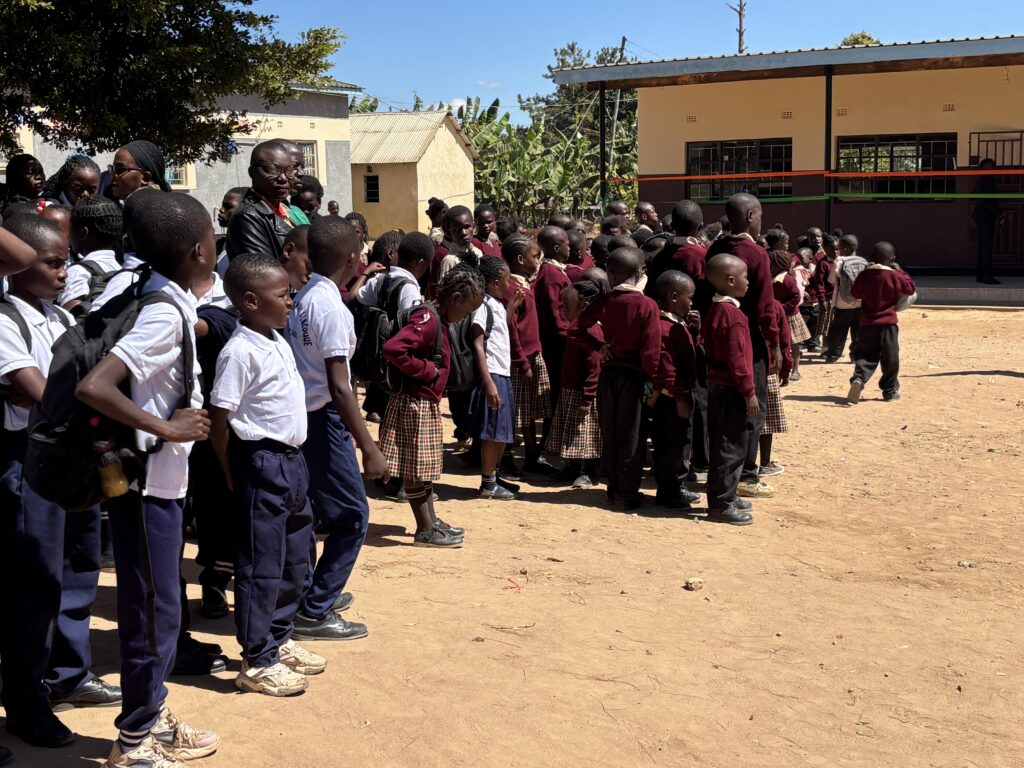
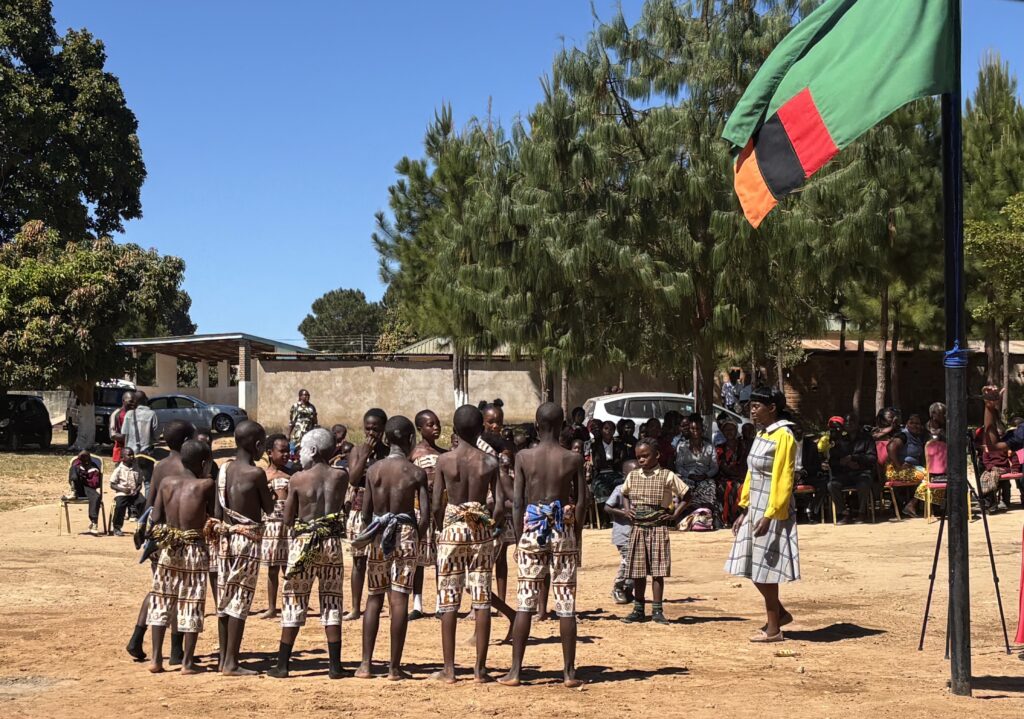
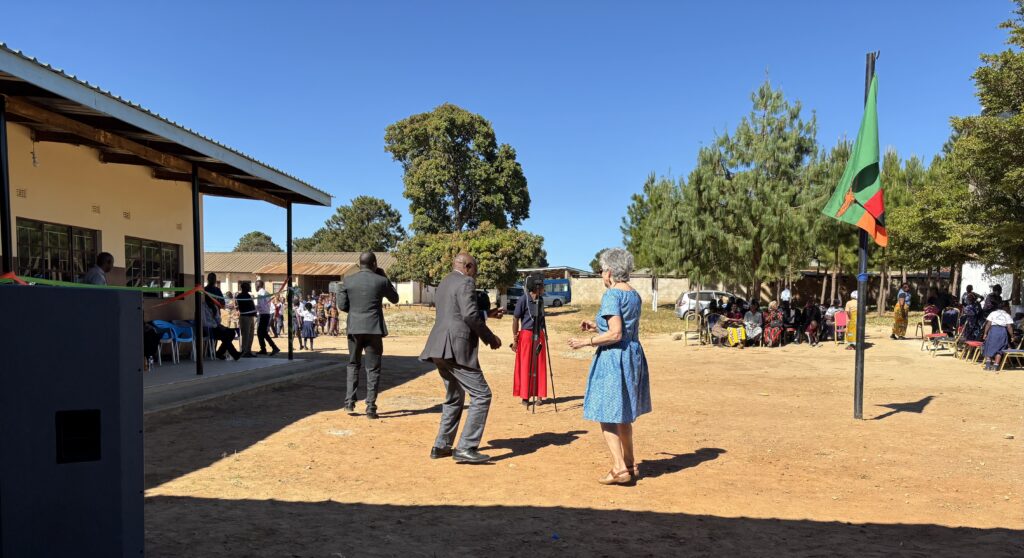
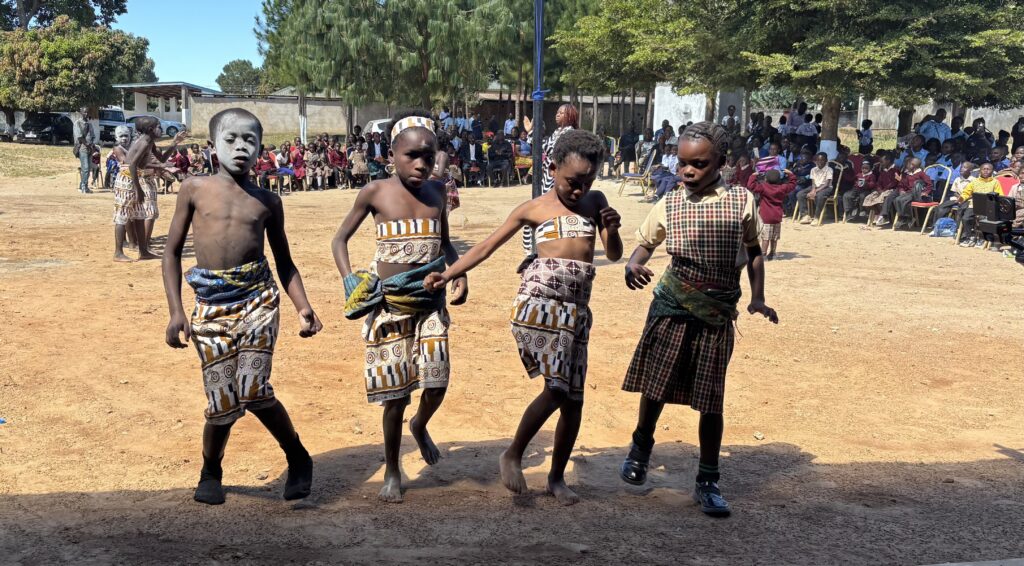
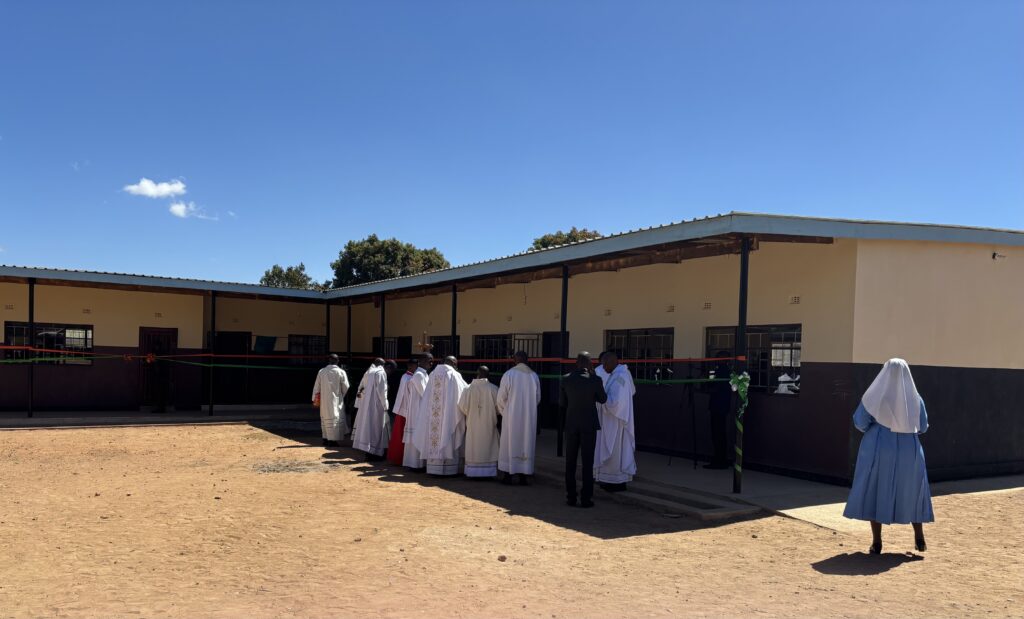
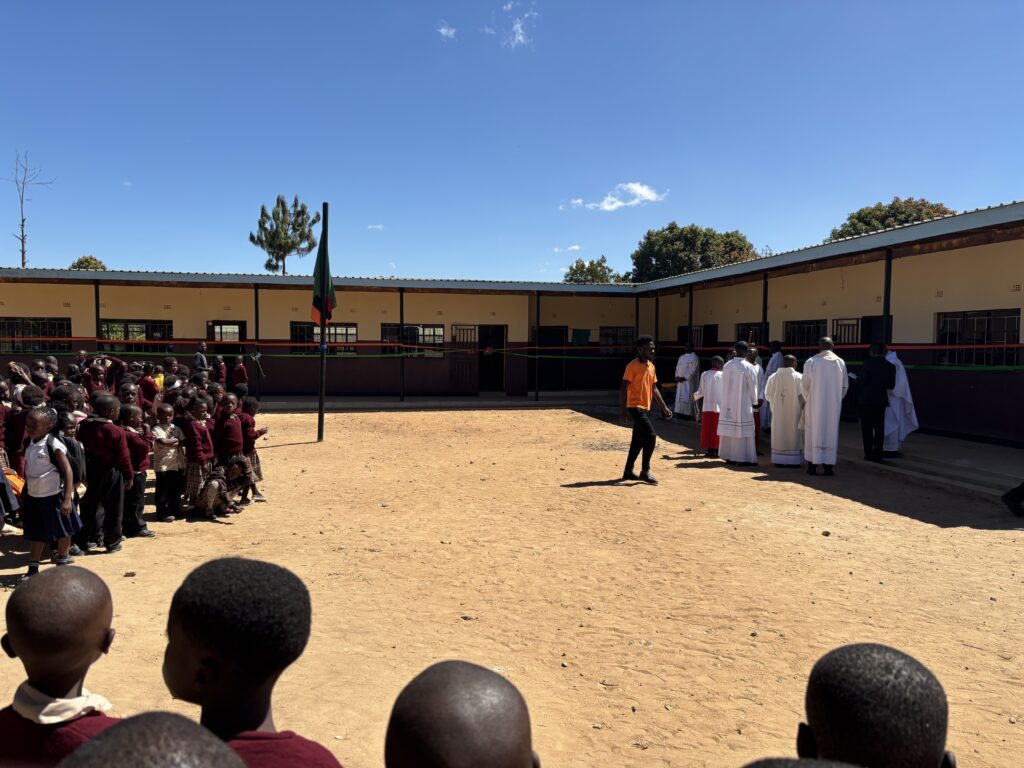
During our visit the new classrooms, built by the Bridge of Friendship, were officially opened on Tuesday 26th May. The Vicar General, Fr Vito Milandile, represented the Diocese of Mpika and other authorities were present, including the DEBS (District Education Board Secretary) who spoke very highly of the new school building.
We were entertained by children from both schools who sang and danced and performed a passionate poem on the environment and what must be done to protect it. It was a great day.
Class attendance
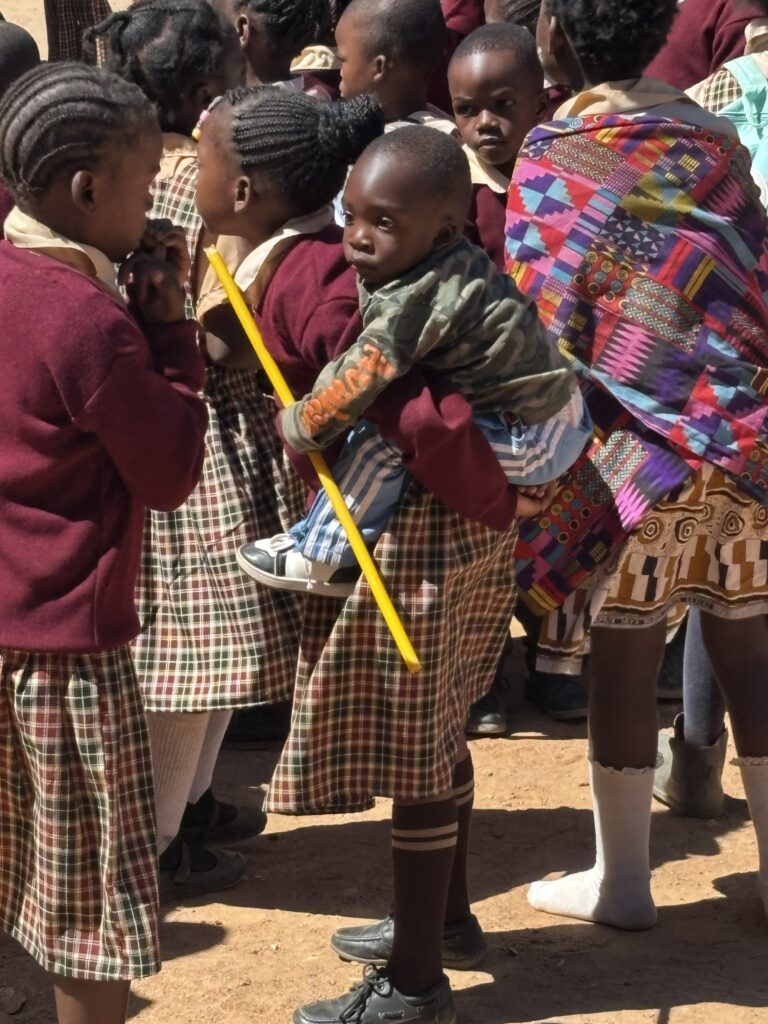
This is a very serious problem. The 97 double orphans are in the care of their guardians who are usually part of the extended family and in many cases elderly grandparents. However, some of these guardians expect the orphans to work in the fields, especially during the harvest period, look after younger children, clean the house etc. and they don’t send them to school. If a child is absent from school for more than 5 days the head-teacher, Priscilla, and other teachers do a follow up by going to the guardian’s home. It’s a very delicate situation.
The guardians know that the children get two meals at school so some children are not given any other food until they go back to school the next day.
Future of St Mary’s primary school
Each year the number of children will increase until 2029 when grade 6 is added and the school is complete. Therefore, more teachers will need to be employed.
St Mary’s will always prioritize the OVCs but will accept a certain number of non vulnerable children too. The fees they pay will contribute towards the needs of the school.
The Catholic church schools in Zambia are considered to be the best, providing good quality education coupled with Christian values.
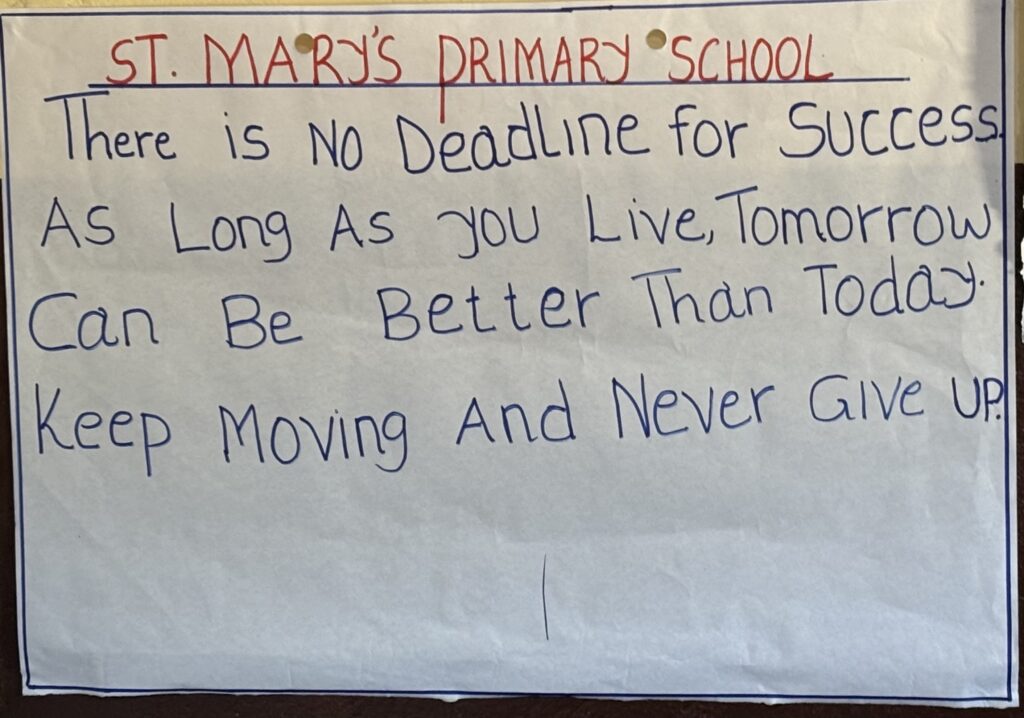
In January 2022 the government introduced free education with the result that government schools can have up to 120 children in a class. There are very few desks and limited educational materials.
Our two schools have put a limit of 50 children in each class.
Classroom requisites
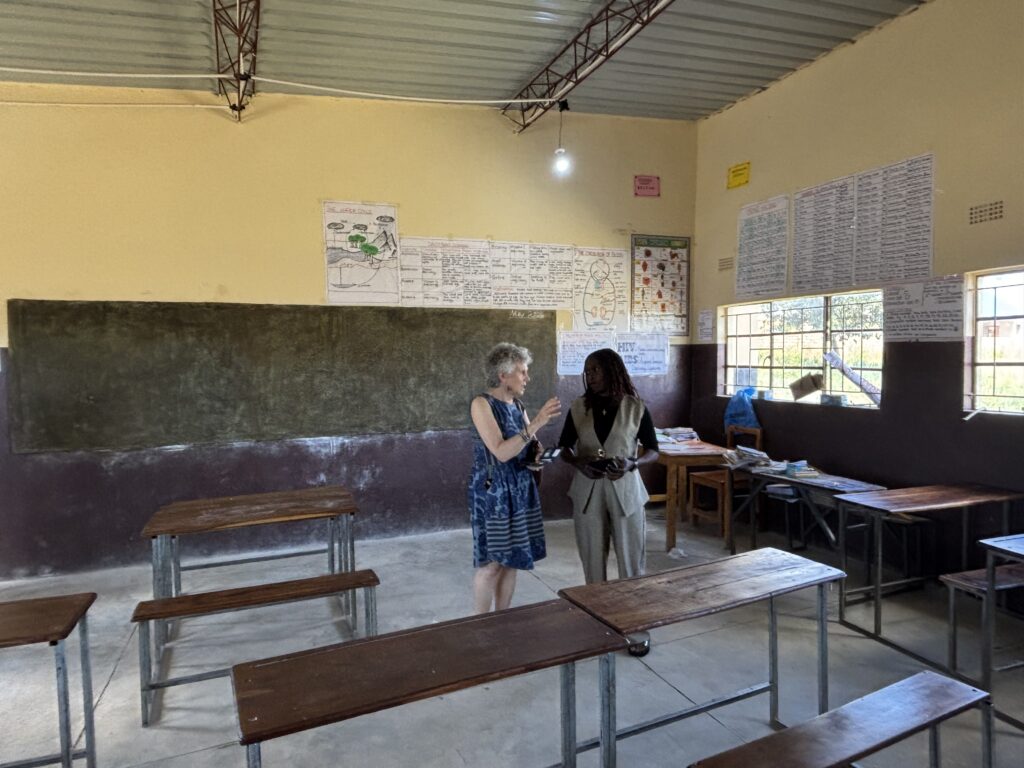
The classrooms need to be completed with more desks for the learners and furniture for the teachers – tables, chairs, storage cabinets etc.
The teachers would like to set up a library and also have more text books in English especially for the subjects English, Math and Science.
The ECE class is very big – 42 learners – and ideally would need to be divided in 2 and have a second teacher. The ages range from 2 – 6 years old.
The ECE class also requires learning material and toys.
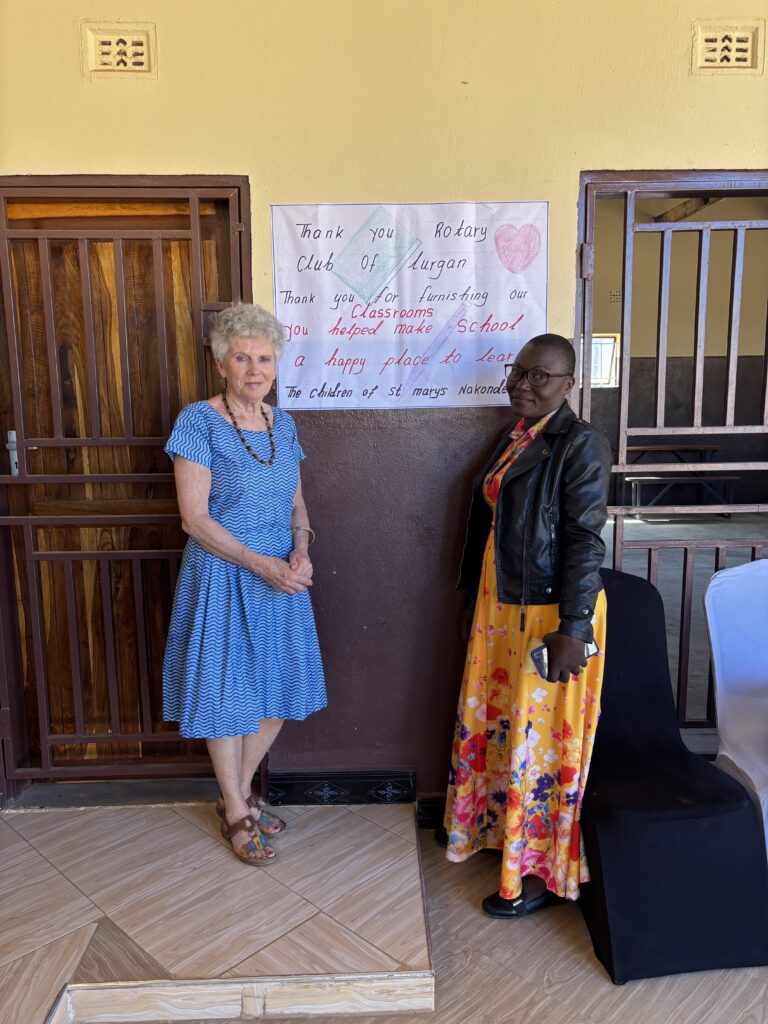
Thank you to Lurgan Rotory Club for contributing funds for desks for the new classrooms at St Mary’s.
Playground and sports equipment
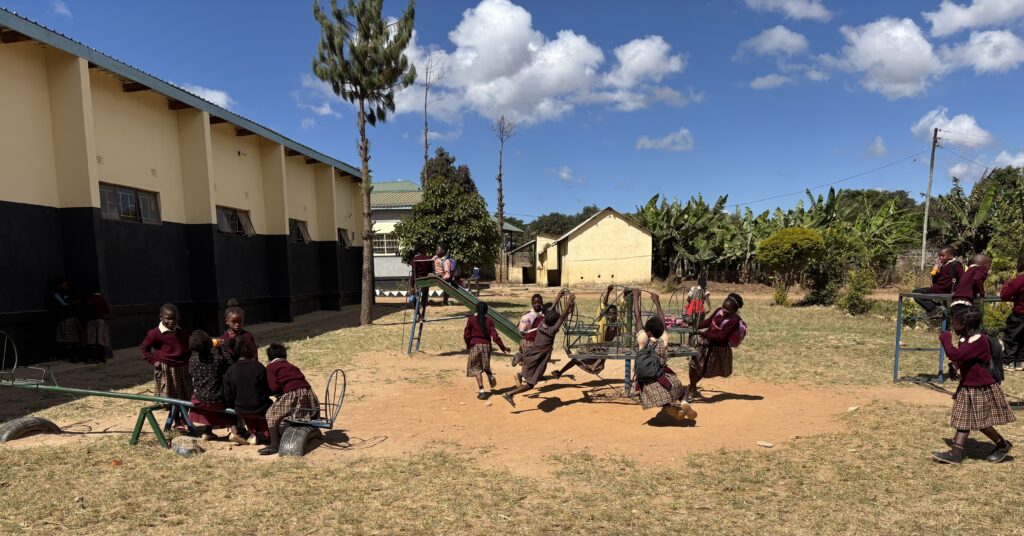
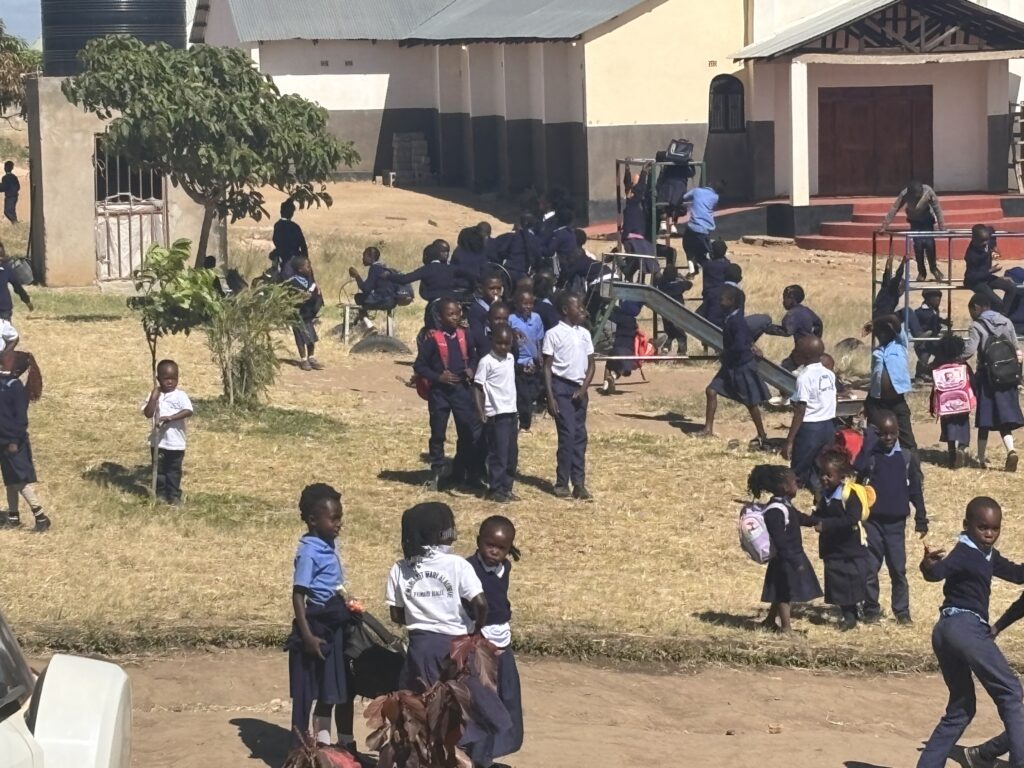
The playground has been moved nearer the convent. The children love playing on the slide, seesaw, climbing frame, swings, merry-go-round.
The cost of sports equipment for soccer and basketball including coloured bibs amounts to €430.
New ablution block
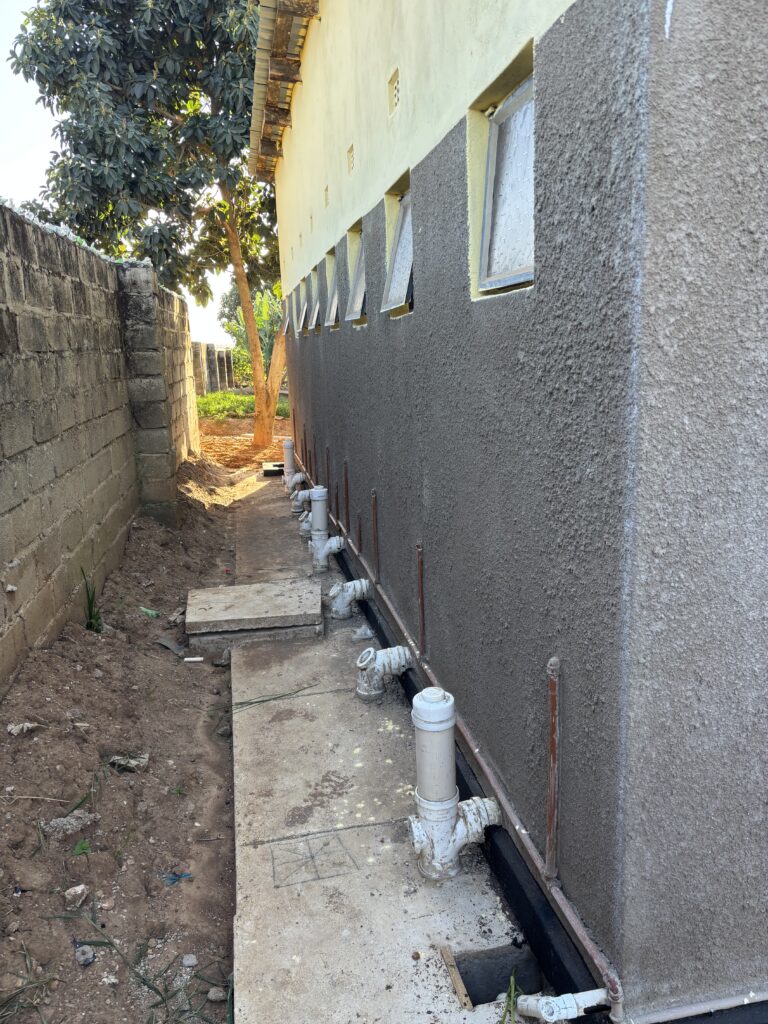
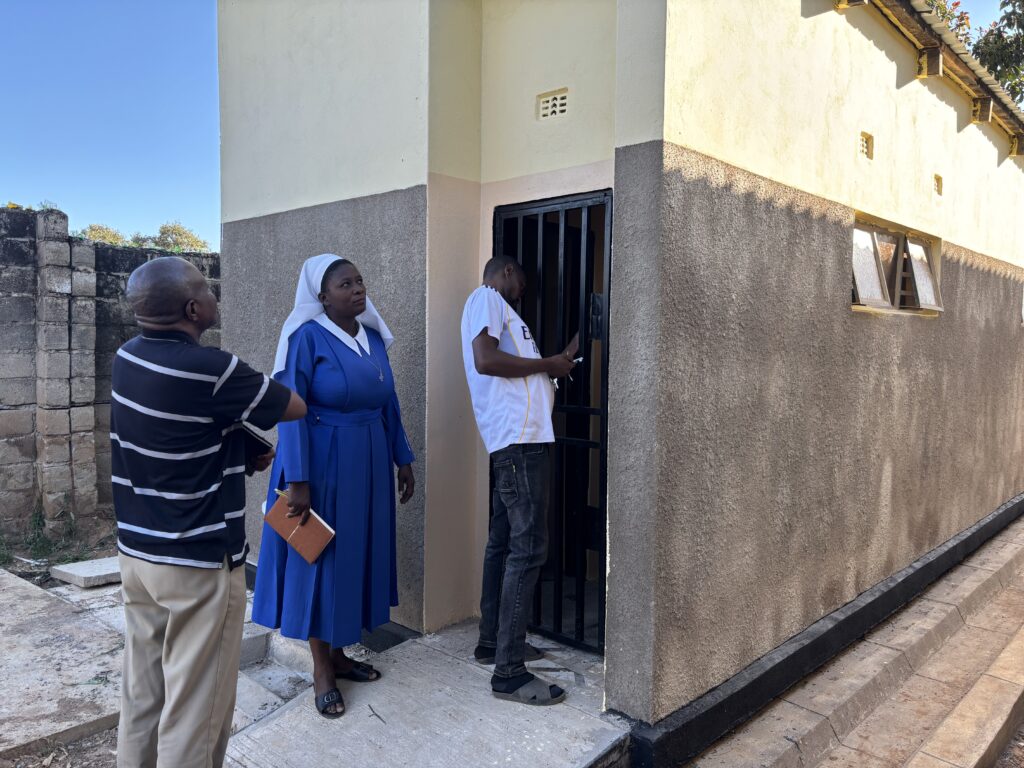
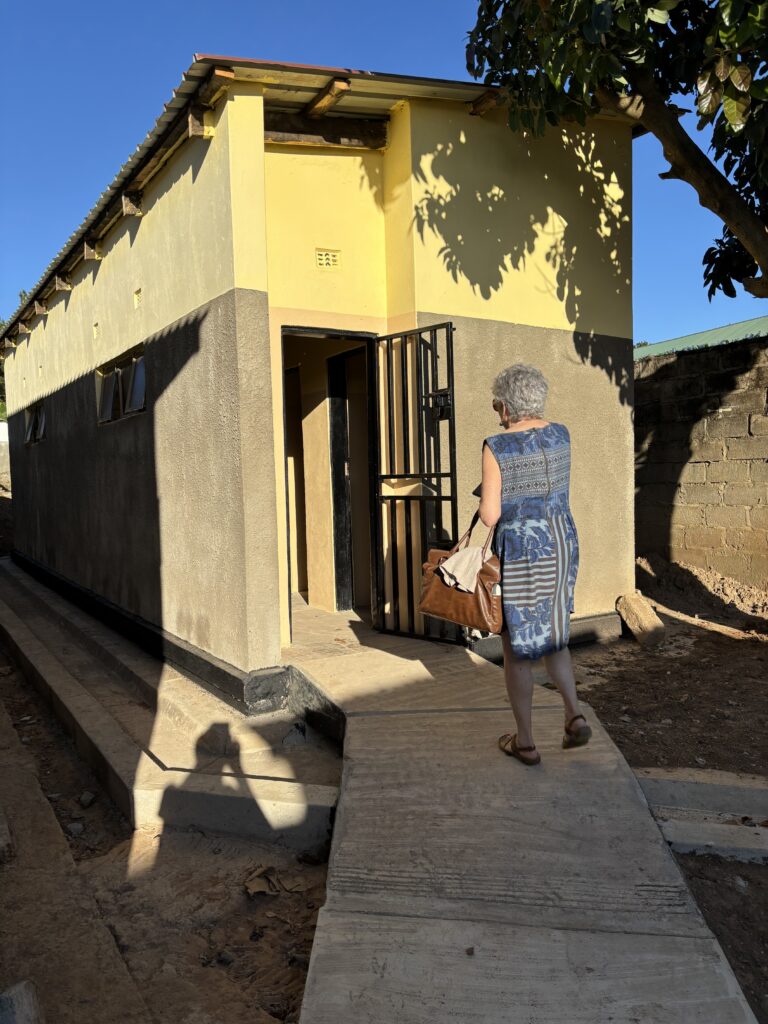
More children means more toilets are needed. The new ablution block is situated behind the CCC building. There are 4 toilets for the boys and 3 toilets and a shower for the girls.
School bus
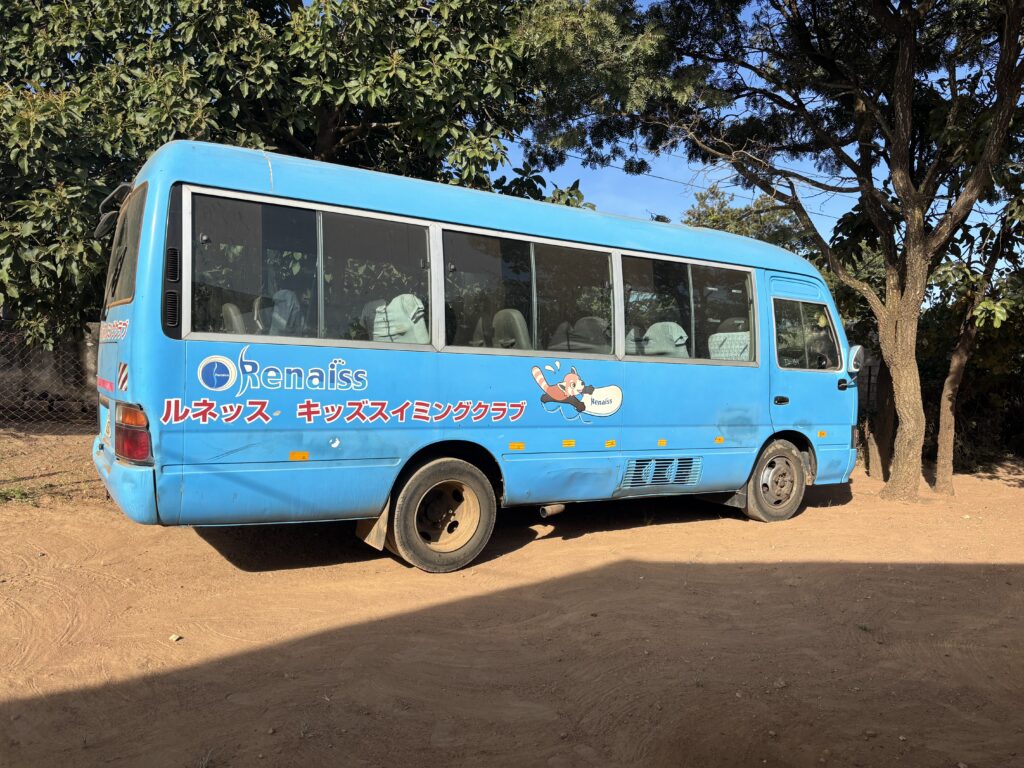
Sister Florence has invested in a school bus. It is used to transport the children who live far away and also it can be rented out to generate income.
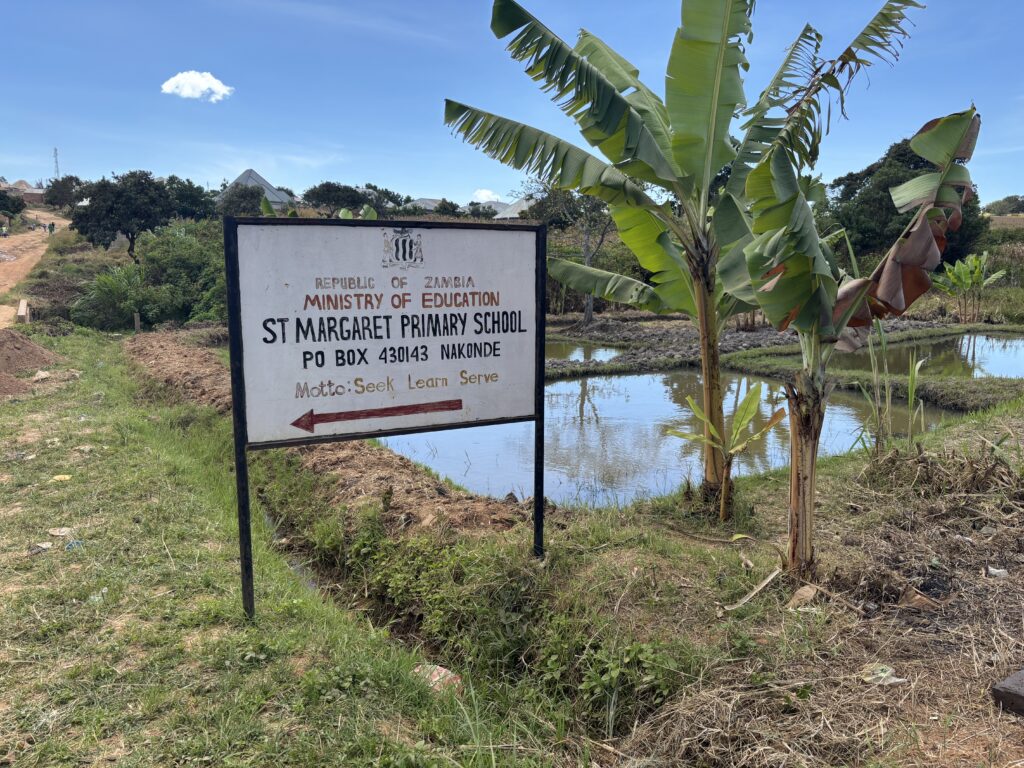
St MARGARET’S SCHOOL
There are 300 learners at St Margaret’s. 170 of these are OVC.
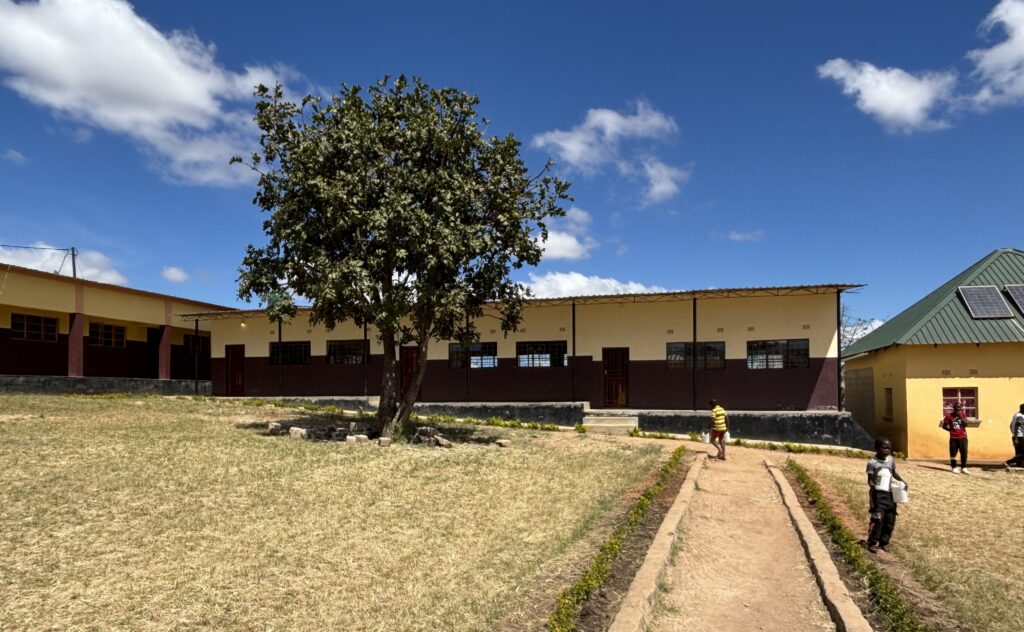
The new classroom block is finished so now we have 10 classrooms and there are 9 teachers.
The government pays the salaries for 4 teachers, including the school principal, Mr Prince Mulenga. The PTA pays for 2 teachers, 2 security guards and a caretaker. We pay for 3 teachers, the cook and gardener.
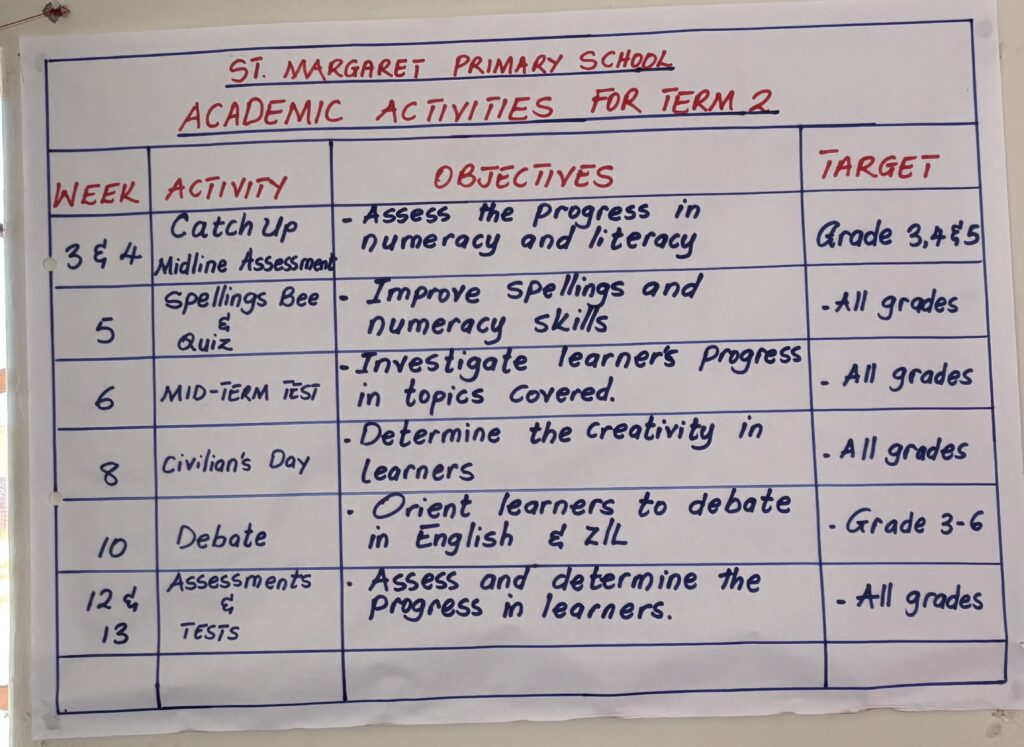
Zambia’s Ministry of Education is phasing in the 2023 Zambia Education Curriculum Framework.
The previous 4-7-5-4 system (4 years ECE, 7 years Primary, 5 years Secondary, 4 years University) has been restructured to 3-6-6-3 (3 year ECE, 6 years Primary, 6 years Secondary, 3 years University).
At St Margaret’s the last Grade 7 classes will be in 2027 and 2028. From 2029 the school will observe the new framework.
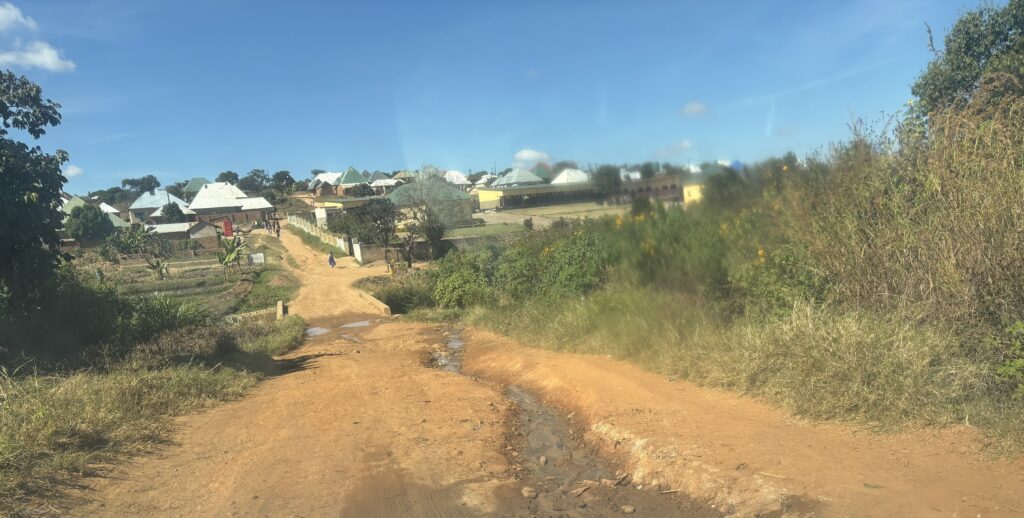
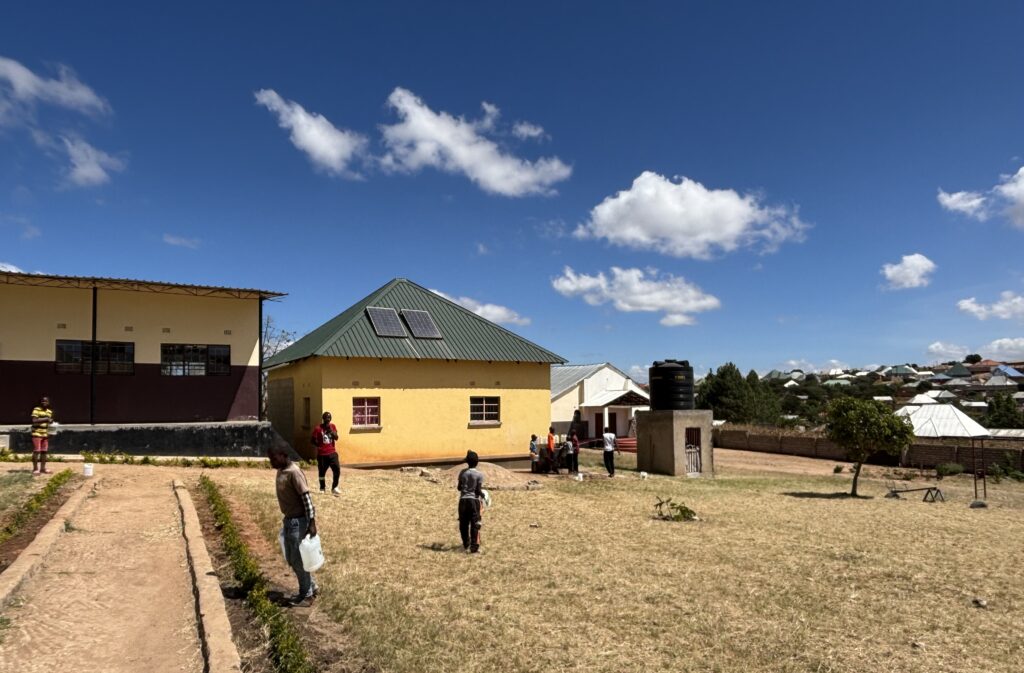
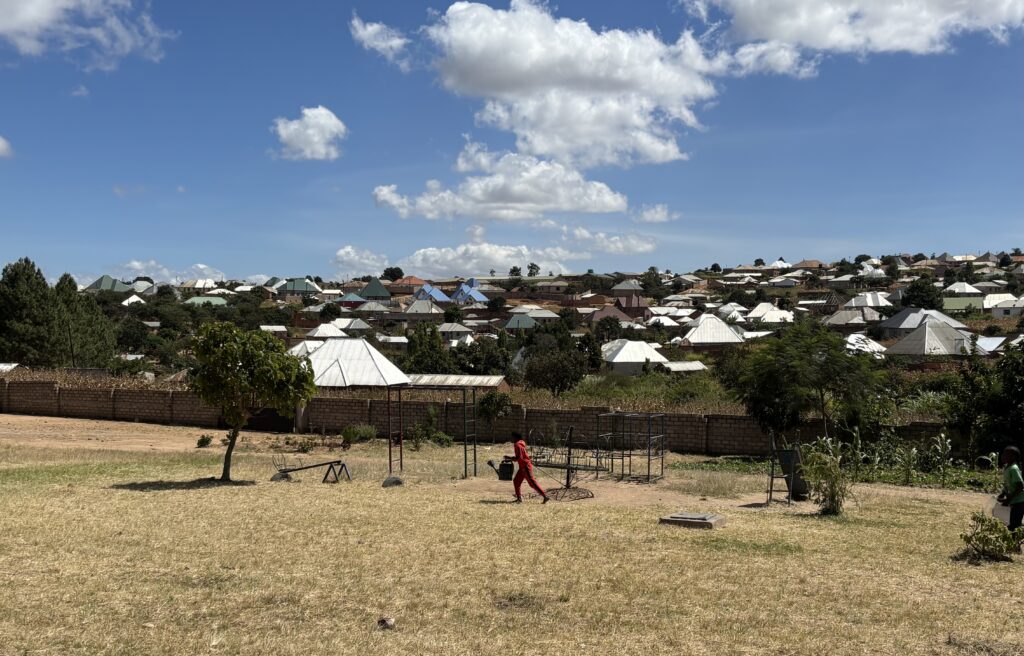
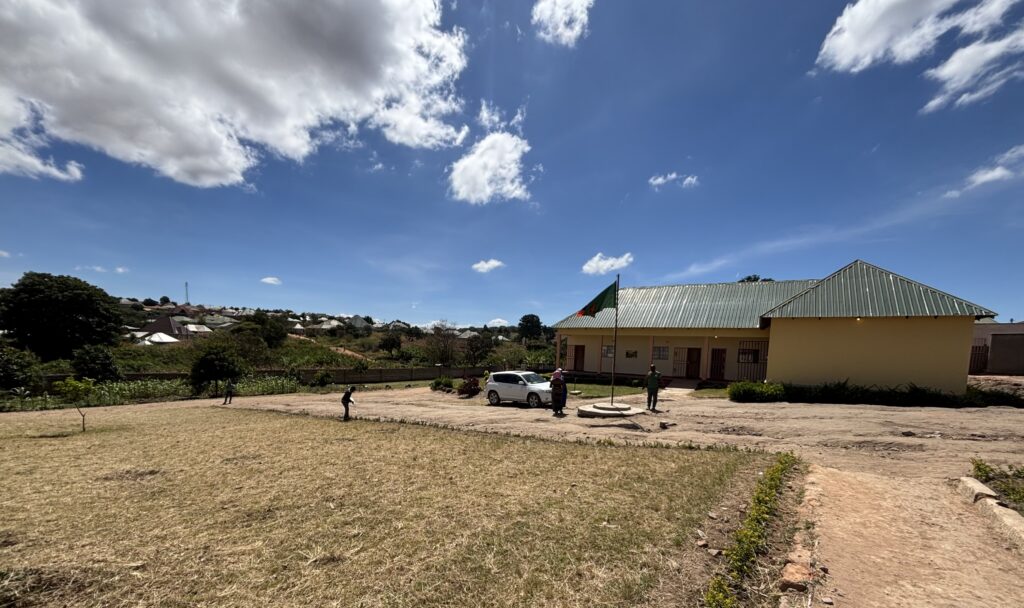
View approaching St Margaret’s
Feeding programme
170 OVCs and 40 non OVCs (who pay) are part of the feeding programme. The remaining children bring food from home. The diet is the same as St Mary’s and the children eat in 2 shifts.
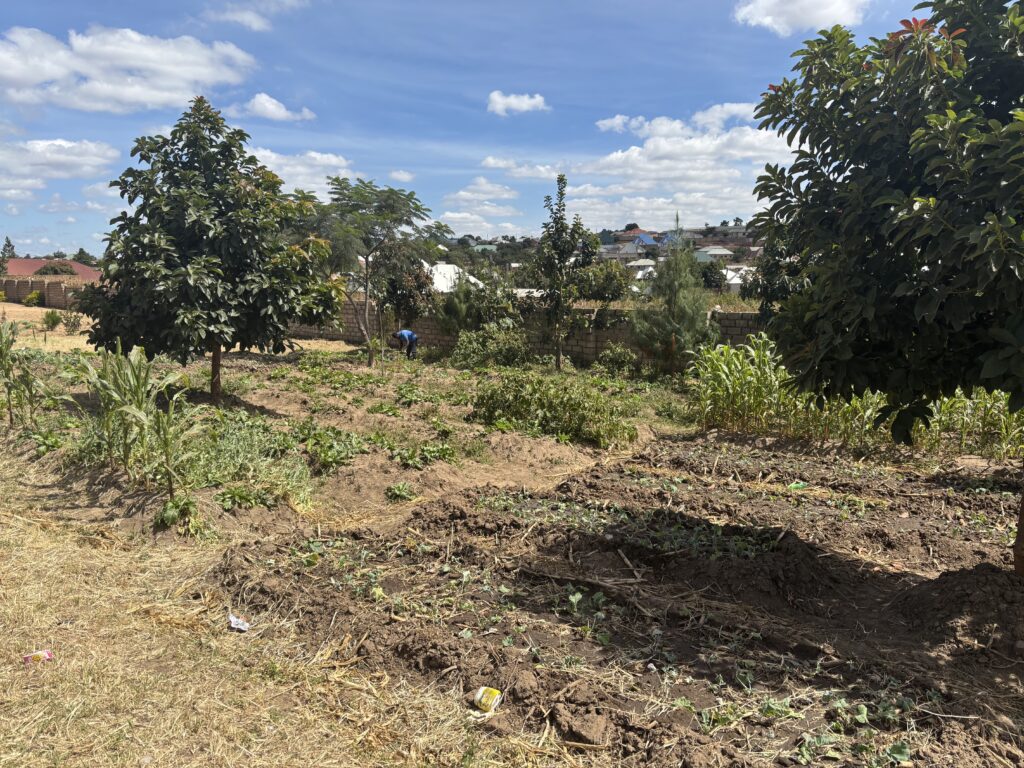
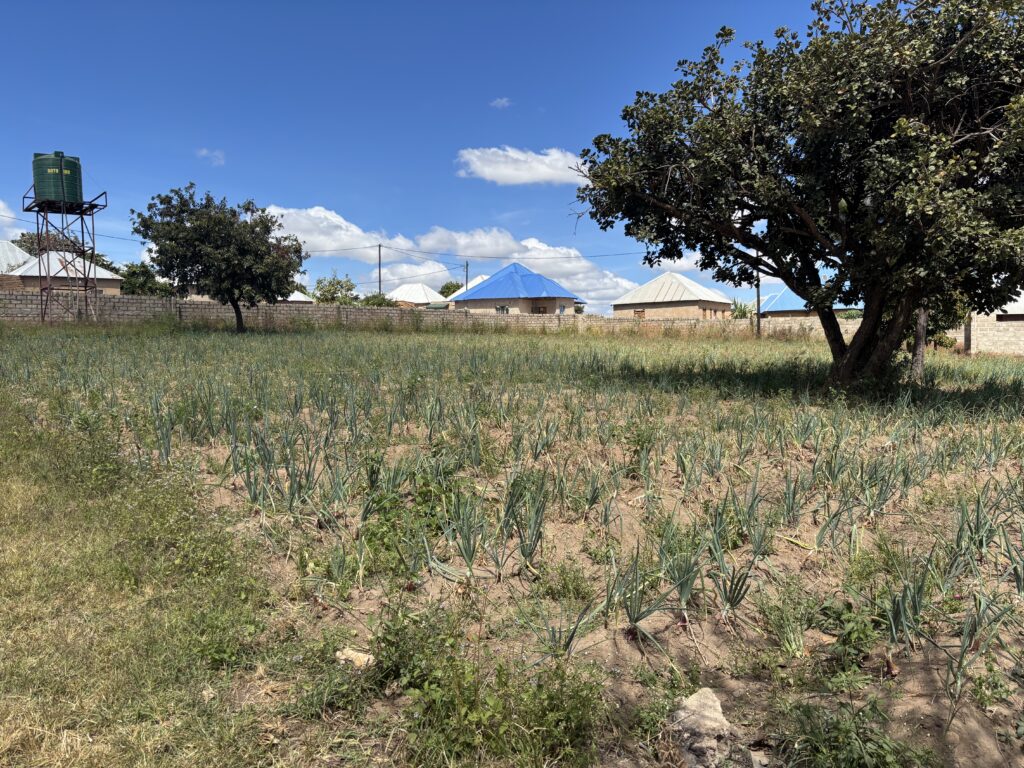
Vegetable garden and onions behind kitchen
Class attendance
The problems related to class attendance are the same as those at St Mary’s and involve the OVCs. When a child is absent from school for 5 days the teachers do a follow up and go to the child’s home.
Requirements for practical subjects
The new curriculum focuses on practical skills, vocational training and critical thinking.
The budget for sports equipment amounts to €450.
The requirements for practical skills in domestic science, music, art, science and technology subjects amounts to €1,130.
Ten computers are also needed, each computer costs €326.
Extra desks will be needed to complete the new classrooms and single desks are required by the Department of Education for the yearly examinations
The best performing pupils at St Margaret’s are a girl and a boy who originally came from the Child Care Centre at St Mary’s. If vulnerable, disadvantaged children are given the chance, they too can excel.
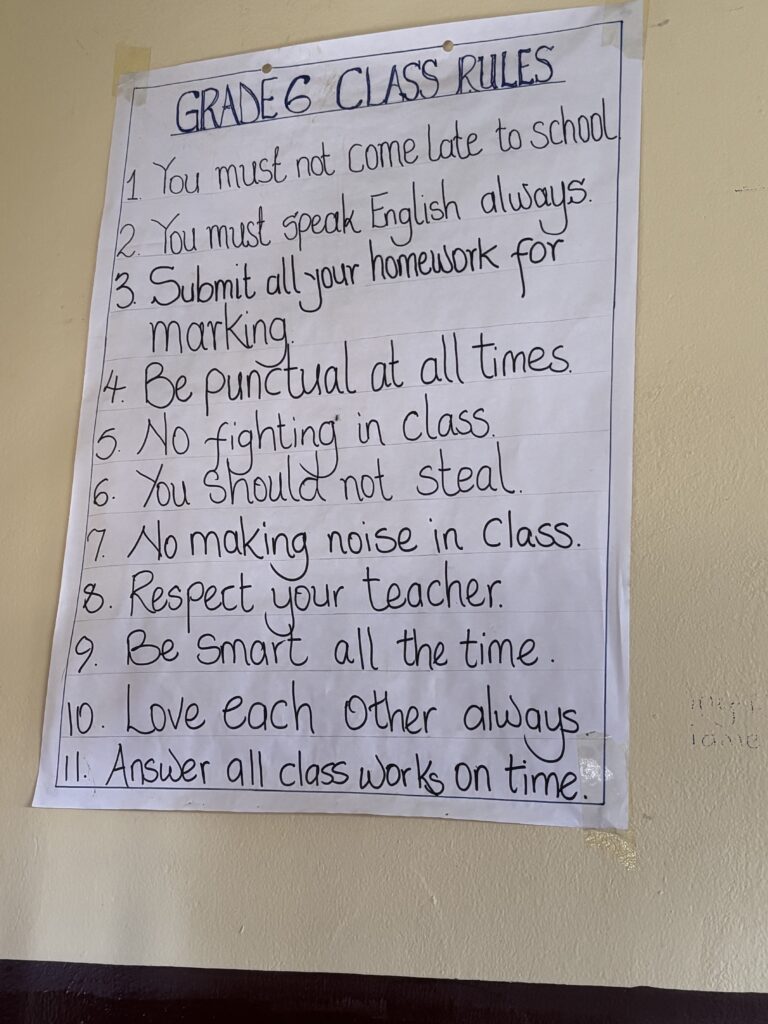
The teachers at both schools are well qualified, responsible, dedicated and caring. In particular, they are an important reference point for the OVCs.
In Zambia education is a fundamental right for every child. All learners – whether classified as Orphans and Vulnerable Children (OVCs) or non-OVCs – are entitled to equal treatment, access and opportunities in public schools.
Meeting with the District Education Standards Officer
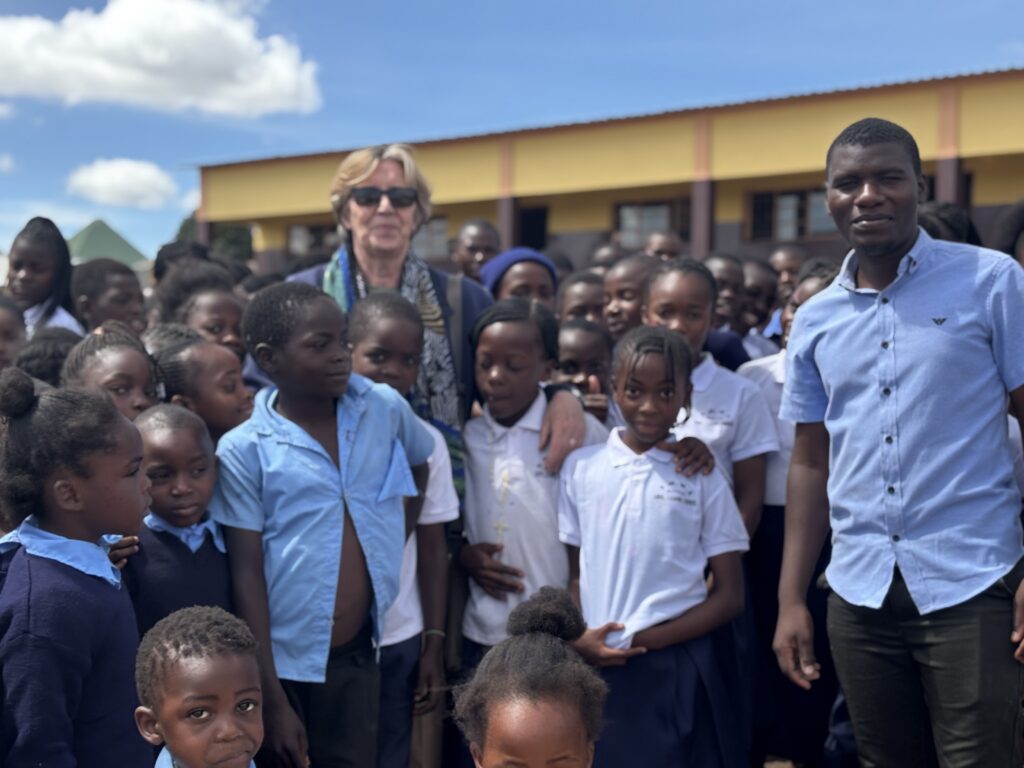
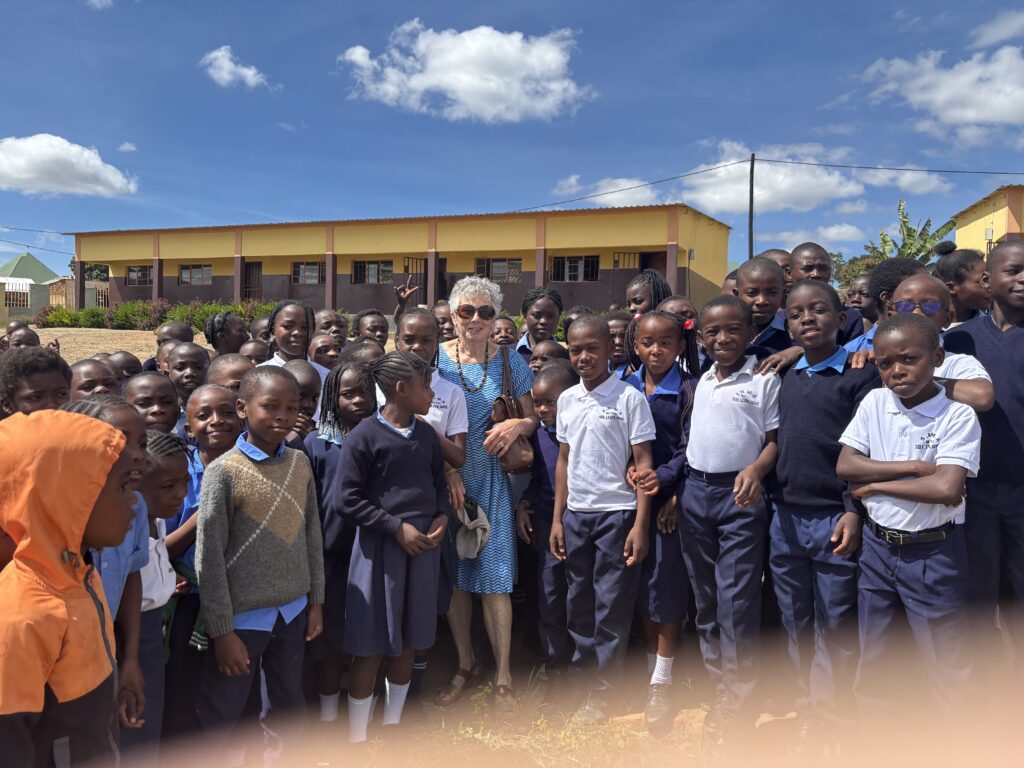
During our visit we met with Ms Rebecca Mulenga who is the District Education Standards Officer (DESO), a senior official within the Ministry of Education responsible for maintaining education quality, supervising curriculum implementation and evaluating teacher performance across a specific district.
We were pleased to hear about the work of the World Bank in Muchinga Province which focuses on expanding education and improving learning environments through 2 major initiatives implemented by the Zambian Ministry of Education.
One of the initiatives is Zambia Enhancing Early Learning (ZEEL). The district of Nakonde will soon be included in this project which is excellent news for our ECE classes.
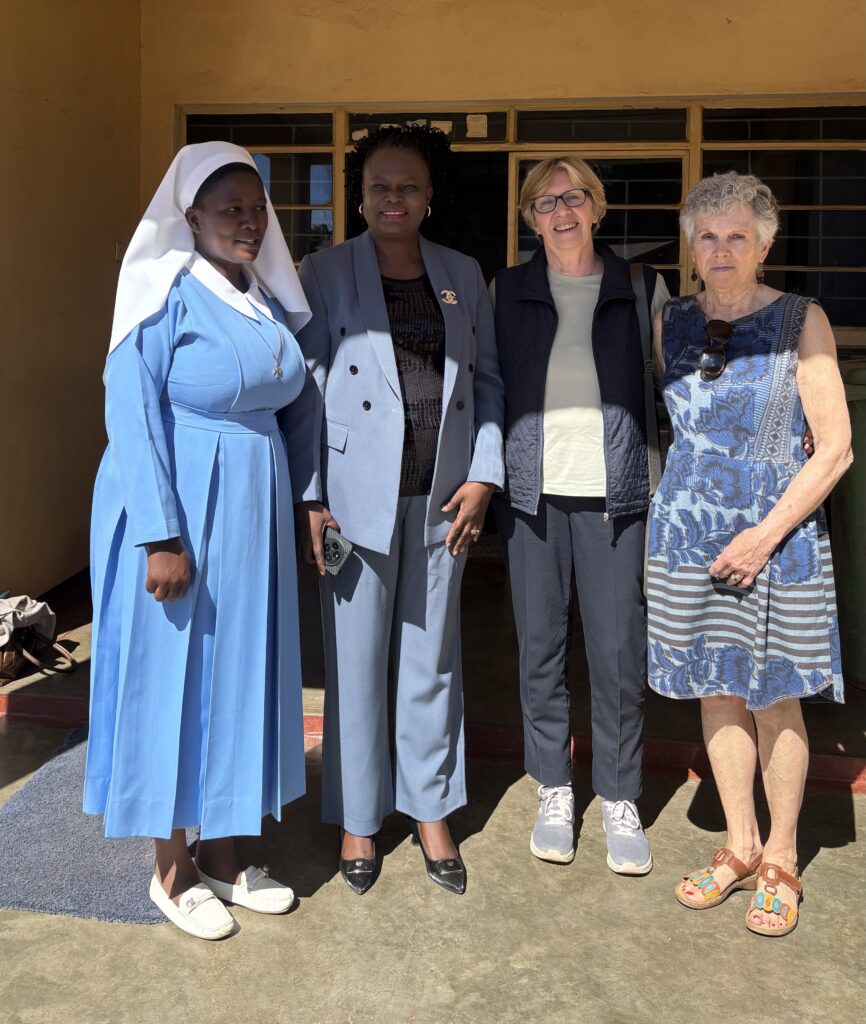
THE FEEDING PROGRAMME
The feeding programme has improved learner attendance, concentration in class and overall health. It is the key driver of academic progress.
BREAKFAST
Something different each day
– A porridge made with maize, millet, groundnuts and soya beans plus tea.
– Sweet potatoes and tea.
– Bread and tea.
– Rice and tea.
– Meal samp (from maize), groundnuts/oil/beans and tea.
Tea is sweet and milky.
LUNCH
Protein sources – beef, chicken, kapenta (fish), eggs, sardines, beans and soya pieces.
Carbohydrates – nshima (maize) and rice.
Vegetables in season – cabbage, onions, rape, tomatoes, groundnuts.
Fruit in season – bananas, guavas, mangoes.
At the beginning of the academic year in January we were providing breakfast and lunch for 260 orphans and vulnerable children. However, the number has now increased to 315 OVC.
The farms provide much of the food but not enough, so we have calculated that we need a supplement of approximately €40 per child to provide breakfast and lunch for 315 children during the academic year 2026.
THE FARMS
As mentioned in a previous update 12 hectares (30 acres) of maize were planted last November at Farm 1 and 11 hectares (27 acres) at Farm 2, five more hectares (12 acres) than last year.
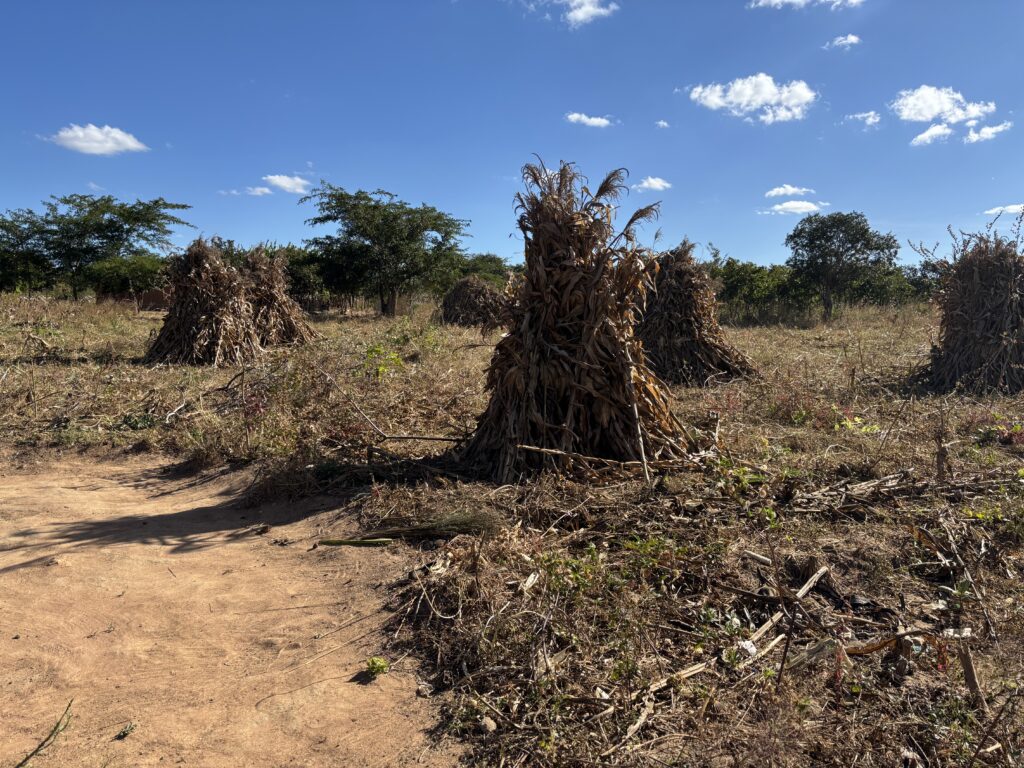
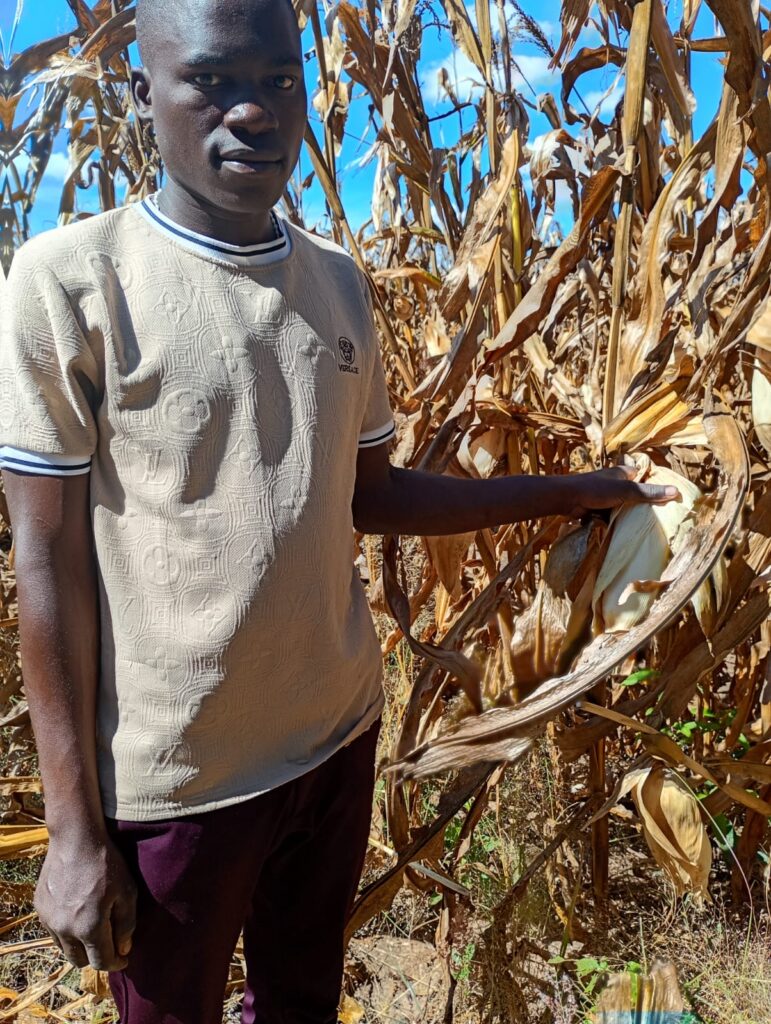
The maize needs to dry as much as possible to avoid rotting so it is harvested at the end of June. After the mature stalks are cut they are then arranged in “stooks” (tee-pee like structures) to dry in the sun.
Stooks are then left in the field for several days to weeks, depending on the weather. This structure promotes natural air circulation and sun exposure, drying the cobs safely away from ground moisture.
At the right moment the cobs are picked and our maize sheller at the farms strips corn kernels off their cobs. A truck is hired to take everything to the mill in Nakonde where the flour is bagged.
This year the rains were abundant. However, too much rain can also negatively affect the harvest. Farming can be very challenging!
The war in Iran has severely impacted the global fertilizer market, driving up fertilizer costs by 30% to 50%. This spike is primarily driven by the closure of the Strait of Hormuz — through which about a third of the world’s fertilizer trade passes. We have tried to get ahead of the game by purchasing our fertilizer and seeds for next season in advance, instead of waiting till October/November.
We have bought 2 oxen and a plough for the new farm, Farm 2. The farmer will need to train the oxen and have them ready by November when planting begins. Up until now everything has been done manually using hoes. If we have positive results with the oxen and plough then we will buy the same for Farm 1.
We have also bought 2 cows.
As well as maize, the other crops are sweet potatoes, groundnuts, rape, onions, sunflower.
Basically Sister Florence tries to cultivate every piece of land available!
The 6 fish ponds next to St Margaret’s school are doing well.
The vegetable gardens at the 2 schools are also used to teach the children agricultural science.
There are plenty of chickens, also ducks and 10 goats.
Fish ponds

Farms 1 and 2
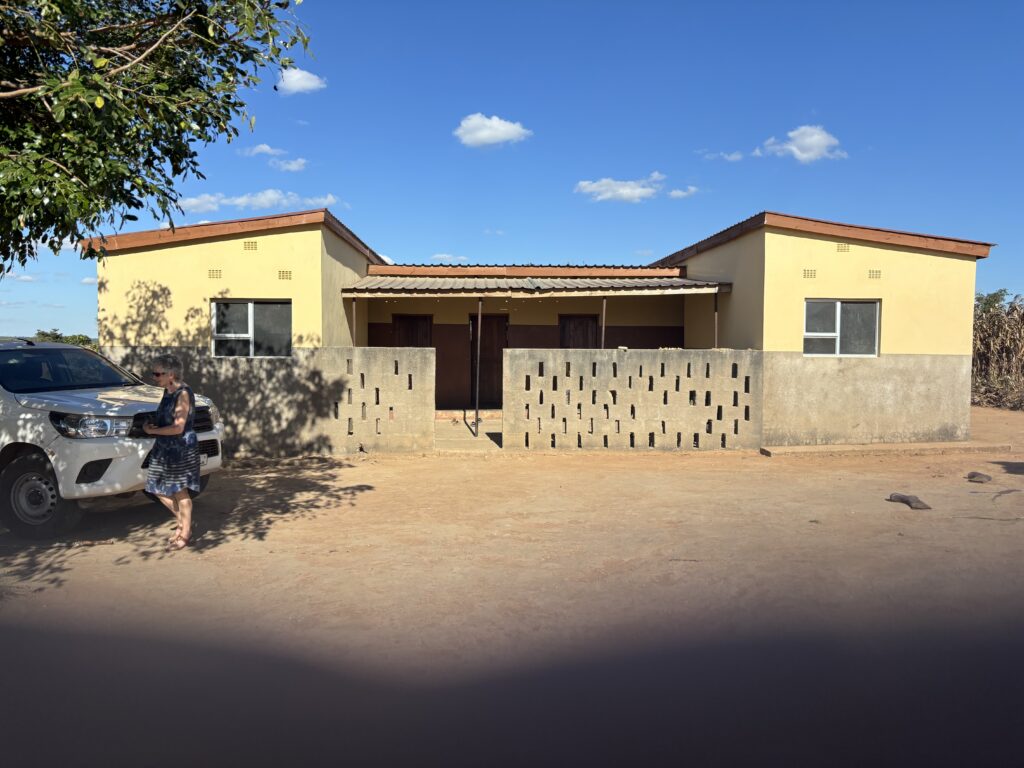
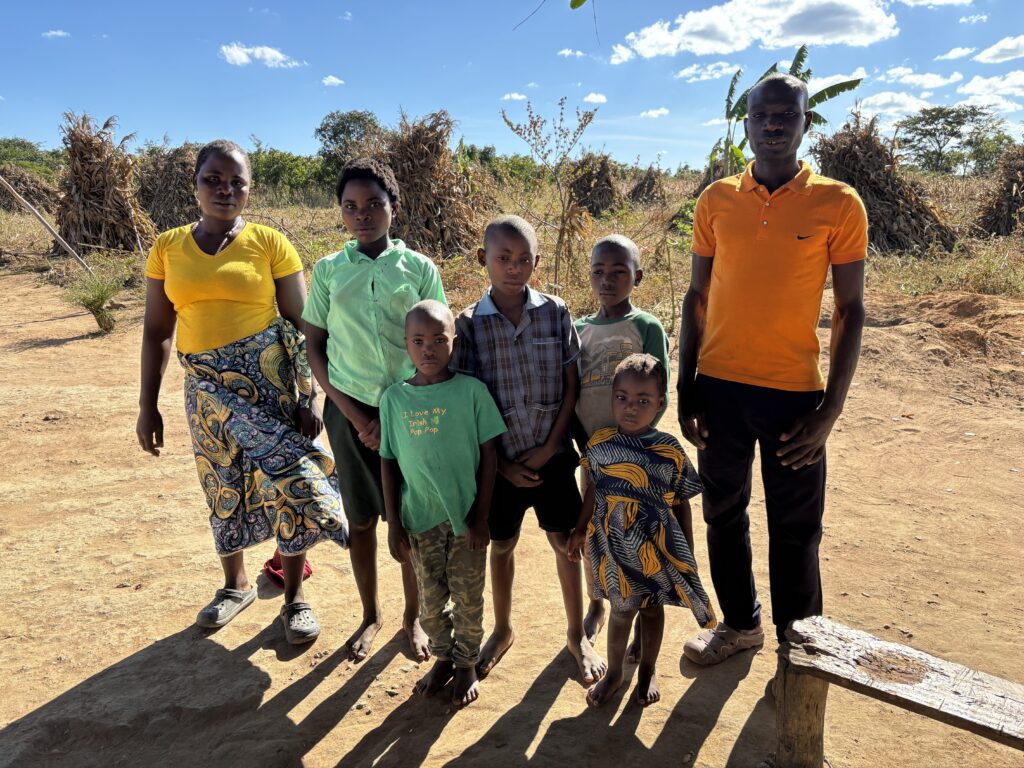
Family of farmer Farm 1 Prince Silwamba with his family
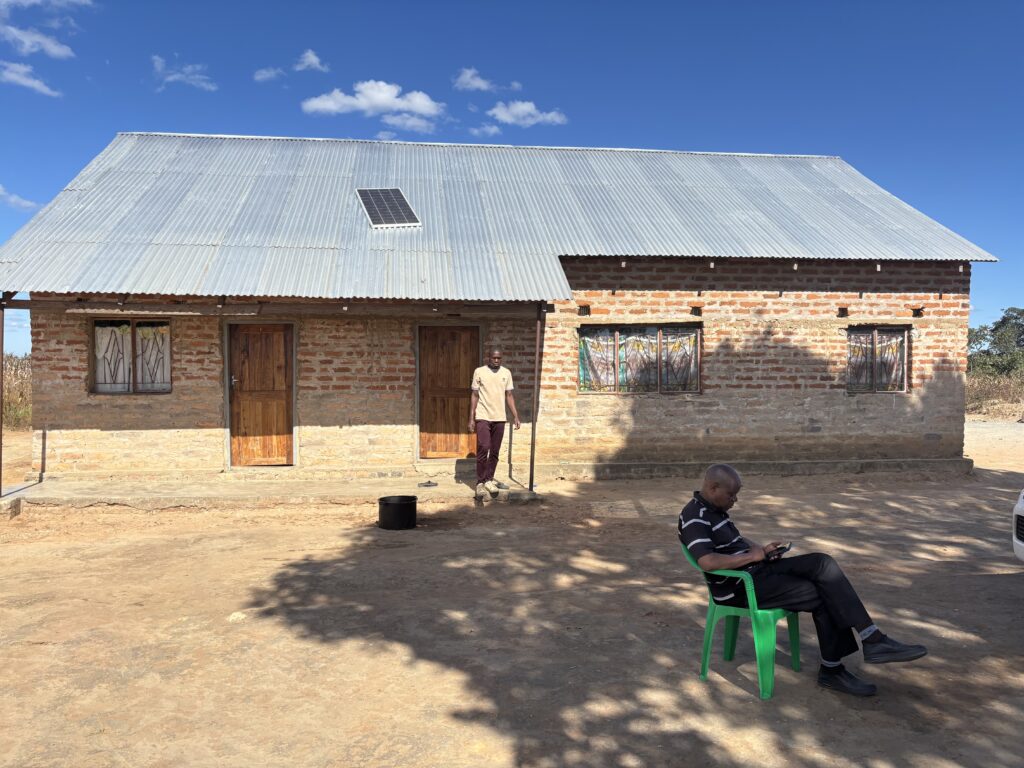
Farmer at Farm 2 Chrispin Siwale. His wife is expecting their first child
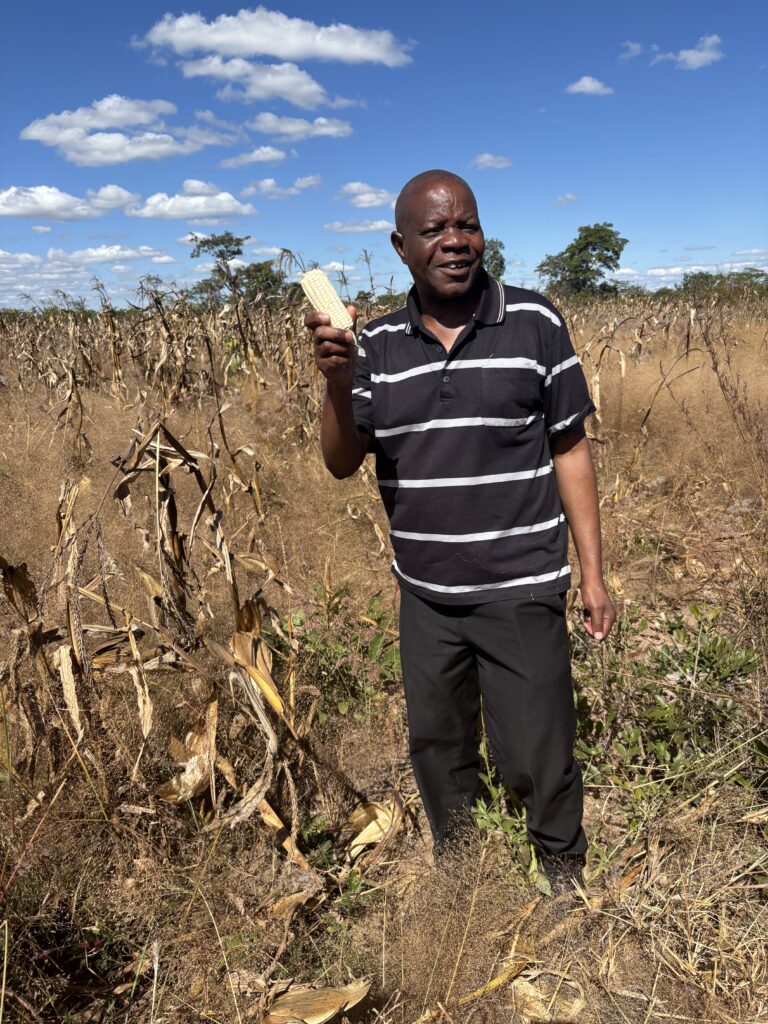
Fr Kalungu holding cob
Stooks
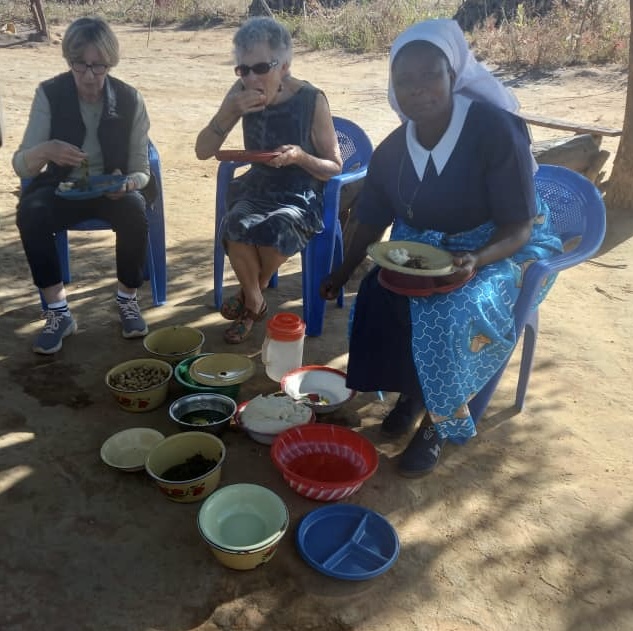
Lunch at Mayembe